IMAO Meaning You’ve spotted IMAO in someone’s text and paused. Is that a typo? Did autocorrect strike again? Actually, no, no-it’s deliberate internet slang that’s flooding group chats, comment sections, and social media feeds across Instagram, TikTok, and beyond. IMAO isn’t just random letters mashed together.
It carries attitude, humor, and a specific vibe that can either land perfectly or backfire spectacularly. Whether you’re texting with friends, posting on social platforms, or trying to decode what someone meant, understanding this acronym matters more than you’d think.
What Does IMAO Mean in Text?
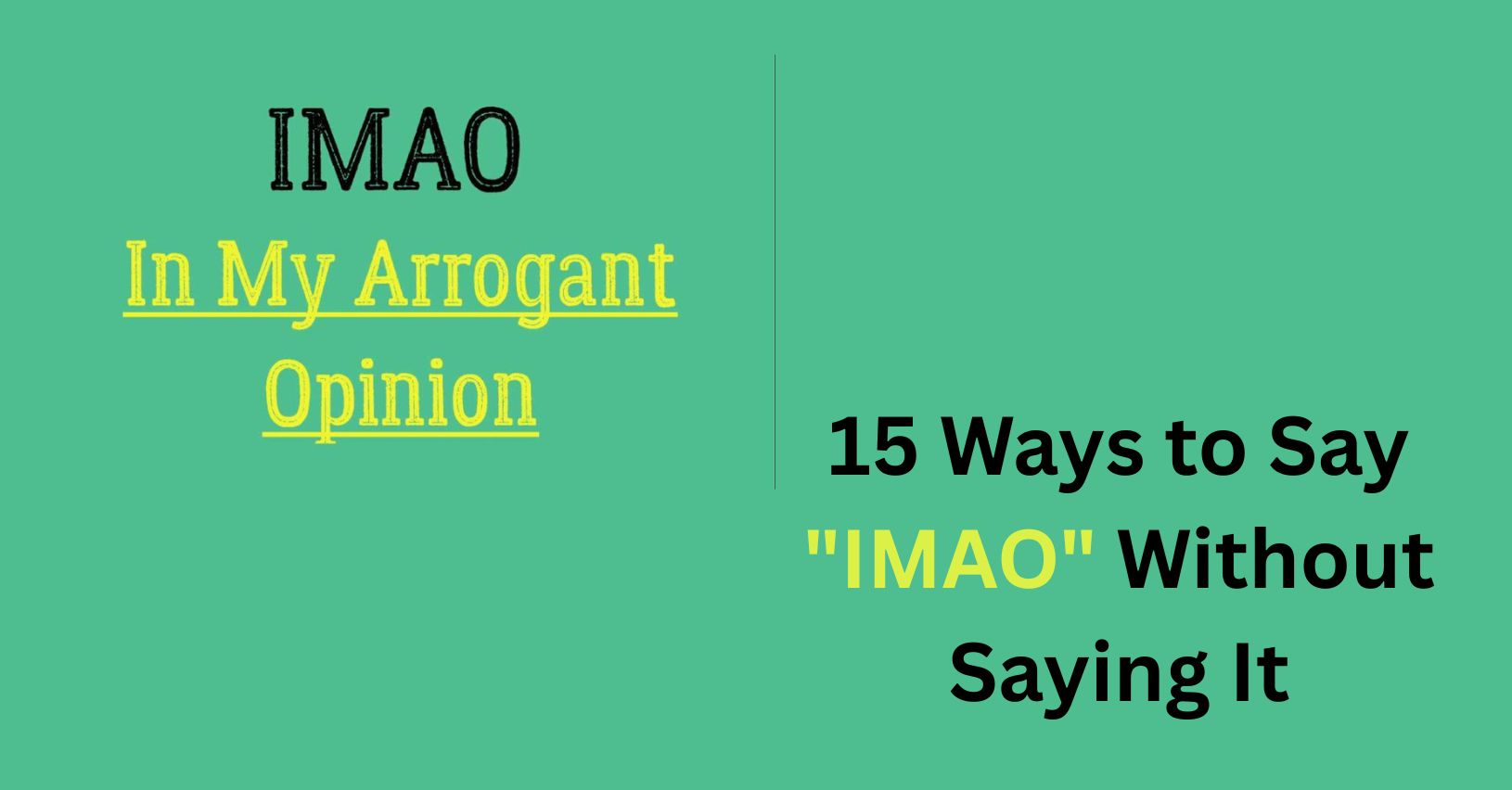
IMAO stands for “In My Arrogant Opinion,” a cheeky, self-aware twist on the classic IMHO (In My Humble Opinion). While IMHO softens statements with modesty, IMAO cranks up the confidence dial intentionally. It’s not genuinely arrogant; it’s playful acknowledgment that you’re about to drop a bold take.
When someone types “IMAO, dogs are better than cats,” they’re doing two things simultaneously: stating their opinion strongly while winking at the fact they know it sounds overconfident. The humor lies in that self-awareness. You’ll find IMAO meaning on Instagram often appears before hot takes about influencers, trends, or controversial opinions designed to spark engagement.
Polite & Professional Breakdown of IMAO
IMAO Meaning IMAO crashes hard in professional environments-and for good reason. The word “arrogant” attached to your opinion doesn’t translate well in business settings, regardless of intended irony. Imagine emailing your boss: “IMAO, the quarterly strategy needs revision.” That lands poorly, even if you meant it playfully.
Professional communication demands tactful language that respects collaborative dynamics. Using IMAO in work contexts can undermine your credibility, make colleagues uncomfortable, or signal poor judgment about appropriate tone. Clients won’t appreciate sarcastic acronyms when discussing serious projects. Stick to respectful alternatives that convey confidence without attitude.
More post: DW Meaning in Text Master These 15 Powerful Alternatives in 2025
Casual Alternatives to IMAO
“Just my two cents” softens opinions while keeping conversations light and approachable. This phrase works beautifully in friend groups, casual social media interactions, and relaxed text exchanges. IMAO example replacement: Instead of “IMAO, that restaurant is overrated,” try “Just my two cents, but I think that restaurant is overhyped.”
| Casual Alternative | Best Used When | Example Context |
| Just my two cents | Friendly debates | “Just my two cents, but summer beats winter.” |
| I could be wrong, but… | Gaming/tech discussions | “I could be wrong, but this build works better.” |
| If you ask me… | Pop culture chats | “If you ask me, that show jumped the shark.” |
| Personally, I think… | Group conversations | “Personally, I think Mondays aren’t that bad.” |
Relaxed Friend-to-Friend Options
IMAO Meaning Casual conversations thrive on natural, easygoing language. When texting close friends or family members, phrases like “honestly though” or “not gonna lie” replace IMAO perfectly while maintaining an authentic tone. These alternatives keep conversations flowing smoothly without sounding stiff or overly formal in group chats. Your friends appreciate genuine responses that match their energy levels naturally.
Playful and Expressive Choices
Adding personality to messages makes conversations memorable and fun. Expressions like “if I’m being honest” or “real talk” inject authenticity while keeping things light and entertaining simultaneously. These playful alternatives work brilliantly on platforms like Instagram and Snapchat, where personality shines through every interaction naturally.
Situational Casual Phrases
IMAO Meaning Different situations demand slightly different casual approaches thoughtfully. For lighthearted disagreements, “I mean, come on” works better than formal alternatives while staying friendly throughout exchanges. When sharing hot takes or unpopular opinions, “just my two cents” softens statements without losing your authentic voice completely.
Professional Alternatives to IMAO
“In my view…” delivers clarity, directness, and respect simultaneously-everything professional communication needs. This phrase works perfectly in presentations, reports, and strategic discussions. Example: “In my view, we should prioritize customer retention over acquisition this quarter.” It sounds authoritative without arrogance.
“From my perspective…” emphasizes analytical thinking while acknowledging subjectivity. Managers love this phrasing because it invites collaboration rather than demanding agreement. “From my perspective, the timeline requires adjustment given current resource constraints,” opens dialogue productively without shutting down other viewpoints.
Polished Workplace Expressions
IMAO Meaning Professional environments require carefully chosen language that demonstrates competence consistently. Instead of IMAO, phrases like “in my professional opinion” or “from my perspective” convey thoughts with appropriate workplace gravitas. These alternatives establish credibility while maintaining a respectful tone that managers and clients expect from serious professionals.
Client-Facing Communication Standards
Client correspondence requires maximum professionalism and respect throughout every interaction. Phrases like “I believe” or “it appears that” communicate opinions without casual informality that undermines credibility instantly. When discussing projects or deliverables with clients, “my assessment would be” demonstrates thoughtful analysis rather than hasty judgment calls.
Diplomatic and Respectful Phrasing
Sensitive workplace situations demand diplomatic language that prevents offense accidentally. Instead of IMAO, use “I respectfully suggest” or “one perspective might be” to share opinions without seeming pushy. These phrases acknowledge others’ viewpoints exist while still contributing your thoughts to collaborative discussions productively.
Polite Alternatives to IMAO in General Conversations
“I tend to think…” offers gentle opinion-sharing that respects different viewpoints. This phrase works beautifully with acquaintances, extended family, or anyone where relationship dynamics require extra care. “I tend to think electric vehicles represent the future” sounds thoughtful rather than pushy or confrontational.
“My impression is that…” suggests careful observation without claiming absolute certainty. It’s perfect for nuanced situations where humility matters. “My impression is that she handled the situation professionally,” acknowledges subjectivity while still contributing meaningfully to the conversation.
How Tone Affects the Use of IMAO
IMAO Meaning Tone transforms IMAO from playful to problematic depending on the surrounding context, punctuation, and relationship dynamics. Adding laughing emojis signals humor: “IMAO, pineapple belongs on pizza ” reads completely differently than the same statement without them. Emojis function as digital facial expressions that clarify intent when body language isn’t available.
Relationship closeness determines acceptable boldness levels. Close friends tolerate-even expect-sarcastic banter that would seem rude coming from strangers. Your best friend might laugh at “IMAO, your music taste is trash,” while that exact phrase would destroy a new acquaintance relationship instantly. Know your audience intimately before deploying attitude.
When Should You NOT Use IMAO
IMAO Meaning Avoid IMAO in formal writing completely-emails to supervisors, academic papers, professional reports, client proposals, job applications, or any documentation that represents you officially. These contexts demand polished, respectful language that positions you as credible and mature. Casual slang undermines professional image significantly.
Skip IMAO with people you don’t know well because you haven’t established rapport that permits playful arrogance. First impressions matter enormously. Leading with bold, sarcastic opinions makes you seem genuinely cocky rather than humorously confident. Build relationship foundations before adding attitude layers.
- Professional networking events (LinkedIn, industry forums)
- Customer service interactions (complaints, support tickets)
- Legal or medical discussions (contracts, health information)
- Public relations contexts (brand communications, official statements)
Origins and Evolution of IMAO
IMAO Meaning IMAO evolved directly from IMHO during the 1990s when early internet pioneers populated Usenet groups, IRC chatrooms, and primitive forums. IMHO became incredibly popular because it allowed people to share opinions while sounding modest and respectful social lubricant for text-only communication lacking vocal tone.
But internet culture loves irony and subversion. Users noticed that many people saying “in my humble opinion” weren’t actually being humble at all. They were sharing strong, confident viewpoints while hiding behind false modesty. Someone clever flipped the script, creating IMAO as both satire and an honest acknowledgment of boldness.
Why Do People Use IMAO?
IMAO lets people make bold statements while acknowledging potential overconfidence-it’s conversational armor that protects against criticism. By admitting upfront, “yes, this sounds arrogant,” you disarm people who might otherwise attack your confidence. It’s rhetorically clever, turning potential weakness into self-aware humor.
The acronym adds personality and humor to what might otherwise read as too serious or aggressive. “That movie was terrible” sounds harsh. “IMAO, that movie was terrible” sounds playful and invites friendly debate rather than hostile argument. Those four letters completely transform conversational energy.
15 Ways to Say “IMAO” Without Saying It
IMAO Meaning Bold & Confident Options let you express strong opinions without risking professional consequences or relationship damage. These phrases maintain assertiveness while adding appropriate context that softens potential arrogance. They work across multiple communication contexts effectively.
1. “Don’t quote me, but…” adds playful disclaimer before controversial takes. Example: “Don’t quote me, but I think that band peaked five years ago.”
2. “This might be controversial, but…” warns listeners you’re about to challenge common opinions. Example: “This might be controversial, but I prefer sequels over originals sometimes.”
3. “Let’s be real for a sec…” signals honest directness is coming. Example: “Let’s be real for a sec-nobody actually enjoys networking events.”
4. “I’m just saying…” softens bold statements with casual framing. Example: “I’m just saying that restaurant doesn’t deserve its hype.”
Humorous Alternatives maintain IMAO’s playful energy while varying your linguistic repertoire. These work exceptionally well on social media, where personality matters enormously. They demonstrate creativity and self-awareness simultaneously.
5. “Not to flex, but I called it” celebrates being right with humor. Example: “Not to flex, but I called it-that show got cancelled.”
6. “Brace yourself, here’s my opinion” builds anticipation comedically. Example: “Brace yourself, here’s my opinion: mornings are actually great.”
7. “Hot take incoming…” warns followers you’re about to drop controversy. Example: “Hot take incoming: artificial intelligence won’t replace human creativity.”
8. “Spicy opinion alert!” adds flavor to bold statements. Example: “Spicy opinion alert! Pineapple belongs on pizza absolutely.”
Diplomatic Expressions help you navigate professional environments where confidence matters but arrogance destroys relationships. These phrases let you share strong viewpoints while maintaining a collaborative tone and respect.
9. “With all due respect…” prefaces disagreement professionally. Example: “With all due respect, I believe this strategy overlooks market realities.”
10. “I’ll be honest…” signals authentic directness approaching. Example: “I’ll be honest proposal needs significant revision.”
11. “Here’s my take…” frames opinions as personal perspectives. Example: “Here’s my take on the situation: we need better communication.”
Self-Aware Options acknowledge potential bias or overconfidence explicitly, which paradoxically makes people more receptive to your viewpoints. Honesty about limitations builds credibility unexpectedly.
12. “I know this isn’t popular, but…” admits you’re challenging the consensus. Example: “I know this isn’t popular, but I think Mondays get unfair treatment.”
13. “This might sound arrogant, but it’s true” owns confidence completely. Example: “This might sound arrogant, but it’s true-our team executed flawlessly.”
14. “Maybe I’m biased, but…” acknowledges subjectivity upfront. Example: “Maybe I’m biased, but our city has the best food scene.”
15. “Let me be blunt…” prepares people for unvarnished honesty. Example: “Let me be blunt-this timeline isn’t realistic.”
How to Choose the Right Expression
IMAO Meaning Audience analysis always comes first. Ask yourself: Who’s receiving this message? Close friends tolerate bold statements that would offend professional contacts. Age matters too-Gen Z embraces IMAO naturally while older generations might find it confusing or disrespectful. Cultural background influences interpretation dramatically.
| Situation Type | Best Expression Choice | Why It Works |
| Friend group chat | IMAO or casual alternatives | Established rapport allows boldness |
| Work email | Professional alternatives | Maintains credibility and respect |
| Social media post | IMAO or humorous options | Engages audience, drives comments |
| Sensitive discussion | Polite alternatives | Shows empathy and emotional intelligence |
Understanding IMAO Across Different Platforms
IMAO meaning Instagram culture embraces IMAO heavily because the platform thrives on personality-driven content. Influencers drop IMAO, meaning Instagram statements in captions to spark comment section debates. Fashion, beauty, and lifestyle creators use it when sharing controversial opinions about trends. It positions them as confident thought leaders.
TikTok accelerates IMAO usage exponentially through its fast-paced, meme-saturated environment. Creators use it in video captions, green-screen text, and duet responses. What IMAO means on TikTok carries an identical definition but appears more frequently because the platform rewards bold, attention-grabbing content that stops scrollers mid-swipe.
Common IMAO Mistakes
- Confusing IMAO with LMAO tops the mistake list. Someone writes ” imao that’s hilarious,” thinking they’re saying “laughing my ass off,” but actually stated “in my arrogant opinion.” Recipients get confused, wondering what opinion was shared. Always capitalize Internet acronyms properly for clarity.
- Using IMAO with genuinely hurtful opinions destroys the playful tone completely. “IMAO, you’re terrible at your job” isn’t funny-it’s cruel. The acronym doesn’t magically transform insults into acceptable humor. Know the difference between bold opinions and personal attacks always.
- Overusing IMAO makes you sound annoying rather than confident. Deploying it in every message dilutes the impact significantly. Reserve it for moments when you genuinely want to emphasize bold opinions. Otherwise, you become the person who cries wolf-eventually, nobody takes your confidence seriously anymore.
- Forgetting cultural context causes international misunderstandings frequently. American sarcasm doesn’t translate universally. What you meant as ironic self-awareness might read as genuine arrogance to colleagues from cultures that value modesty highly. Research cultural communication norms before using slang internationally.
More post: Stop Misusing IMK Meaning Text, Alternatives & Essential Examples 2025
The Psychology Behind Bold Opinion Statements
- Self-aware confidence attracts attention and respect when executed properly. Admitting “yes, this sounds arrogant” paradoxically makes people more receptive to your viewpoints. You’ve acknowledged potential criticism preemptively, which disarms defensive reactions. It’s a psychologically clever rhetorical strategy.
- Humor softens disagreement significantly. When someone says, “IMAO, your taste in music is questionable,” the laughing emoji and playful phrasing signal affection despite criticism. Friends can disagree strongly without damaging relationships when humor provides cushioning. Remove that humor, and identical words become relationship poison.
- Online disinhibition effect makes people bolder digitally than face-to-face. You’d rarely tell someone in person, “in my arrogant opinion…” but type it easily online. Screens create psychological distance that permits confidence levels impossible during in-person conversations. Understanding this helps you calibrate appropriately.
- Linguistic creativity demonstrates intelligence and cultural fluency. Using internet slang effectively signals you understand digital communication’s evolving nature. Younger generations especially value this fluency-it demonstrates relevance and connection to contemporary culture rather than being out of touch.
Frequently Asked Questions
What does IMAO mean in 2025?
IMAO stands for “In My Arrogant Opinion”-internet slang expressing bold views with self-aware humor.
What does imao mean?
Lowercase “imao” typically means the same as IMAO. However, people sometimes confuse it with “lmao” (laughing my ass off).
When did people start using “imao”?
IMAO emerged from the 1990s internet forums as a sarcastic twist on IMHO. It gained mainstream traction through Reddit.
How do I use imao in chat?
Use IMAO before stating bold opinions among friends: “IMAO, that movie deserved better reviews.”
Conclusion
IMAO represents digital communication’s playful evolution-confidence wrapped in self-awareness. Perfect for friend chats and social media banter, it crashes spectacularly in professional settings where sincerity and respect matter most. Master the context, read your audience carefully, and choose alternatives wisely for different situations.
Whether dropping hot takes or navigating workplace discussions, understanding IMAO’s nuances makes you a sharper, more effective communicator overall. Remember: digital slang evolves constantly, but respecting tone and context never goes out of style in meaningful conversations.

Passionate about innovation and growth. Dedicated to managing, optimizing, and creating seamless experiences while supporting diverse content and users with professionalism and clarity every day.