GTB Meaning You’re scrolling through late-night messages when suddenly-GTB pops up. What does that even mean? Should you feel offended? Is someone telling you to sleep, or are they leaving the conversation?
Understanding GTB’s meaning in text has become essential in today’s digital-first communication landscape, especially across platforms like Instagram, Snapchat, and WhatsApp. This comprehensive guide breaks down everything you need to know about GTB slang, its variations, and how to respond gracefully without sounding confused or awkward in 2025.
What Does GTB Mean in Text?
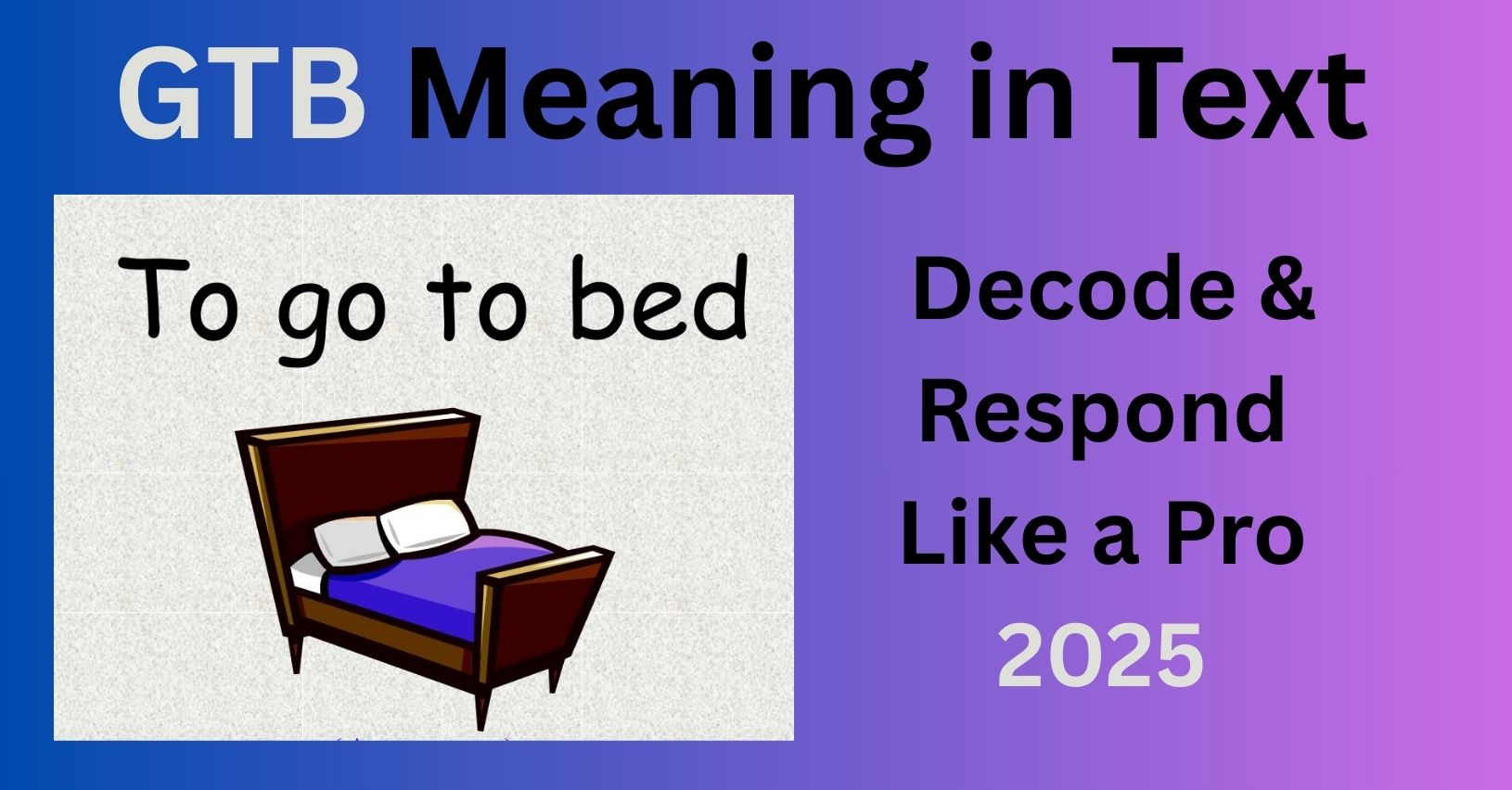
GTB primarily stands for “Go to Bed” in texting and online chats. This text abbreviation emerged during the early 2000s when SMS character limits forced people to create digital shorthand.
However, GTB isn’t always about bedtime. Depending on context, it can also mean “Got to Bounce” or “Got to Go”-essentially signaling a quick exit from the conversation. The meaning shifts based on timing, platform, and relationship dynamics.
| Platform | Common GTB Meaning | Typical Context |
| Got to Bounce | Comments, DM exits | |
| Snapchat | Go to Bed | Late-night streaks |
| Discord | Got to Bounce | Gaming sessions |
| Both meanings | Time-dependent | |
| Slack | Rarely used | Too informal |
Why Should You Be Cautious Using GTB?
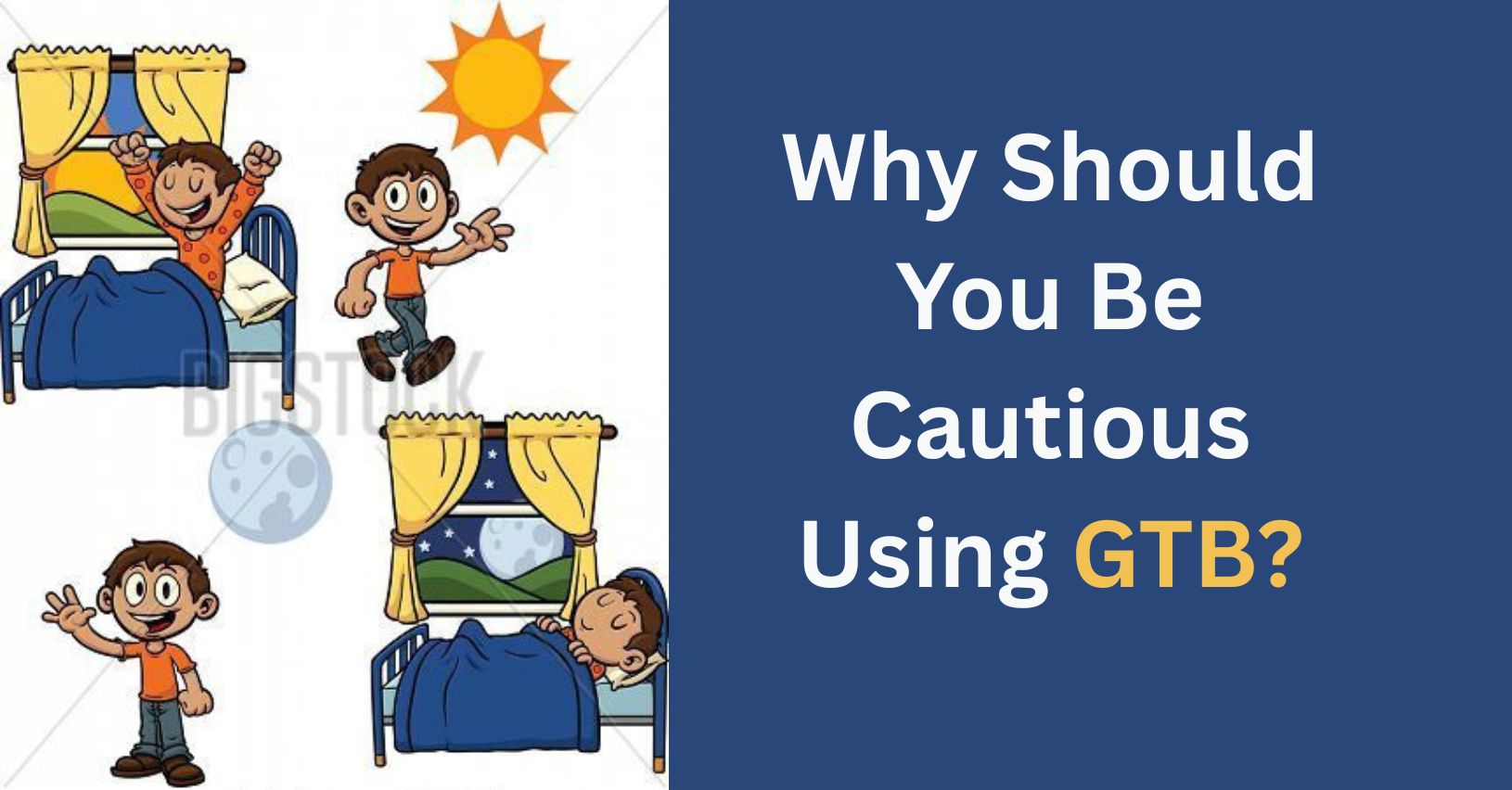
GTB carries significant misinterpretation risks depending on how you deploy it. The acronym can sound dismissive, commanding, or even sarcastic without proper emotional context. This becomes particularly problematic in sensitive conversations where someone is venting emotions or discussing personal struggles.
Tone in texting gets lost without vocal inflection or body language. GTB amplifies this problem because it’s inherently directive-you’re telling someone what to do. Even with good intentions, the commanding tone can damage relationships.
How to Say “Go to Bed” Politely or Professionally?
GTB Meaning Mastering tone-appropriate alternatives to GTB elevates your texting sophistication. The right phrase balances efficiency with emotional intelligence, showing you care about the recipient’s well-being without sounding bossy.
Text message etiquette in 2025 emphasizes empathy and personalization over generic shortcuts. While GTB saves time, thoughtful alternatives build stronger connections. Consider your audience: are they your best friend, romantic partner, or professional colleague?
More post: BMS Meaning in Text Unlock This Viral Slang in 2025
When Polite Language Matters Most
Formal communication situations-like chatting with clients, mentors, or authority figures-absolutely require polished alternatives to GTB slang. These conversations lack the casualness that makes texting acronyms acceptable. Instead, you’ll need complete sentences that demonstrate respect and consideration for their time and energy needs.
Perfect Scenarios for Casual Language
GTB Meaning Family group chats thrive on casual, affectionate language that strengthens bonds. “Catch some sleep, you need it” demonstrates caring attention without formality’s stiffness. These text message alternatives maintain authenticity while showing genuine concern for loved ones’ well-being and health maintenance needs.
Adding Emotional Depth Through Creativity
“Sleepy time, bestie! ” combines direct instruction with emoji softening and friendship terminology. The laughing emoji signals playfulness, preventing any commanding tone interpretation. This formula-direct suggestion plus emotional modifier works across countless texting scenarios where you want clarity without coldness.
Polite Alternatives
“You should get some rest,” offers a gentle suggestion without sounding bossy or dismissive. This phrase works beautifully in professional texting behavior contexts because it respects autonomy while showing concern. The phrasing implies choice rather than command, maintaining the recipient’s dignity during late-night texting sessions.
“I think it’s time to call it a night” provides collaborative framing that includes you in the decision. This works exceptionally well during work chat scenarios where you’re both online late. The shared experience creates camaraderie rather than judgment, strengthening professional relationships through respectful messaging patterns.
Best Uses for Polite Expressions
- Client communications requiring professional boundaries
- Conversations with elders who appreciate formal respect
- New relationships are still establishing tone and comfort levels
- Authority figure interactions demand careful language choices
Casual Alternatives
- “Time to hit the hay!” delivers playful energy perfect for close friendships and familiar relationships. This casual alternative maintains warmth while clearly communicating bedtime suggestions. The idiom feels natural in informal communication contexts where you’ve established comfort using expressions beyond standard chat acronyms.
- “Go get those Zzzs” combines visual texting elements with friendly instruction. The Z imagery universally represents sleep, making meaning crystal clear across cultural boundaries. This works brilliantly during late-night texting with friends who appreciate humor and creativity in their online communication experiences.
Playful or Caring Expressions
- “Your pillow is calling you,” injects whimsical personification into bedtime suggestions effectively
- This playful tone works beautifully in partner conversations where romance and humor blend naturally
- The creative imagery makes the suggestion memorable while maintaining lighthearted energy throughout
- This approach prevents any dismissive tone concerns that might arise from direct commands
- “The bed misses you,” continues the personification theme with emotional layering added
- This phrase implies the bed feels lonely-a subtle communication technique
- It’s a subtle way of suggesting you miss them when they’re not resting properly
- The personification strategy transforms ordinary bedtime suggestions into romantic gestures
- Both phrases use emotional connection rather than commanding language
- These alternatives work particularly well during late-night texting with romantic partners
- The whimsical approach makes bedtime suggestions feel caring rather than controlling
- This creative language strengthens intimacy through playful, affectionate communication styles
GTB in Context Why Tone Matters?
GTB Meaning Tone interpretation determines whether GTB strengthens or damages relationships fundamentally. Without vocal cues, facial expressions, or body language, online tone interpretation becomes challenging guesswork. What you meant as playful teasing might read as harsh criticism.
Text conversation tone relies heavily on punctuation, emoji usage, and word choice surrounding your message’s meaning. GTB standing alone feels cold and directive. “GTB ” with sleep and heart emojis transforms completely, adding warmth and affection.
A Friend Seems Drained
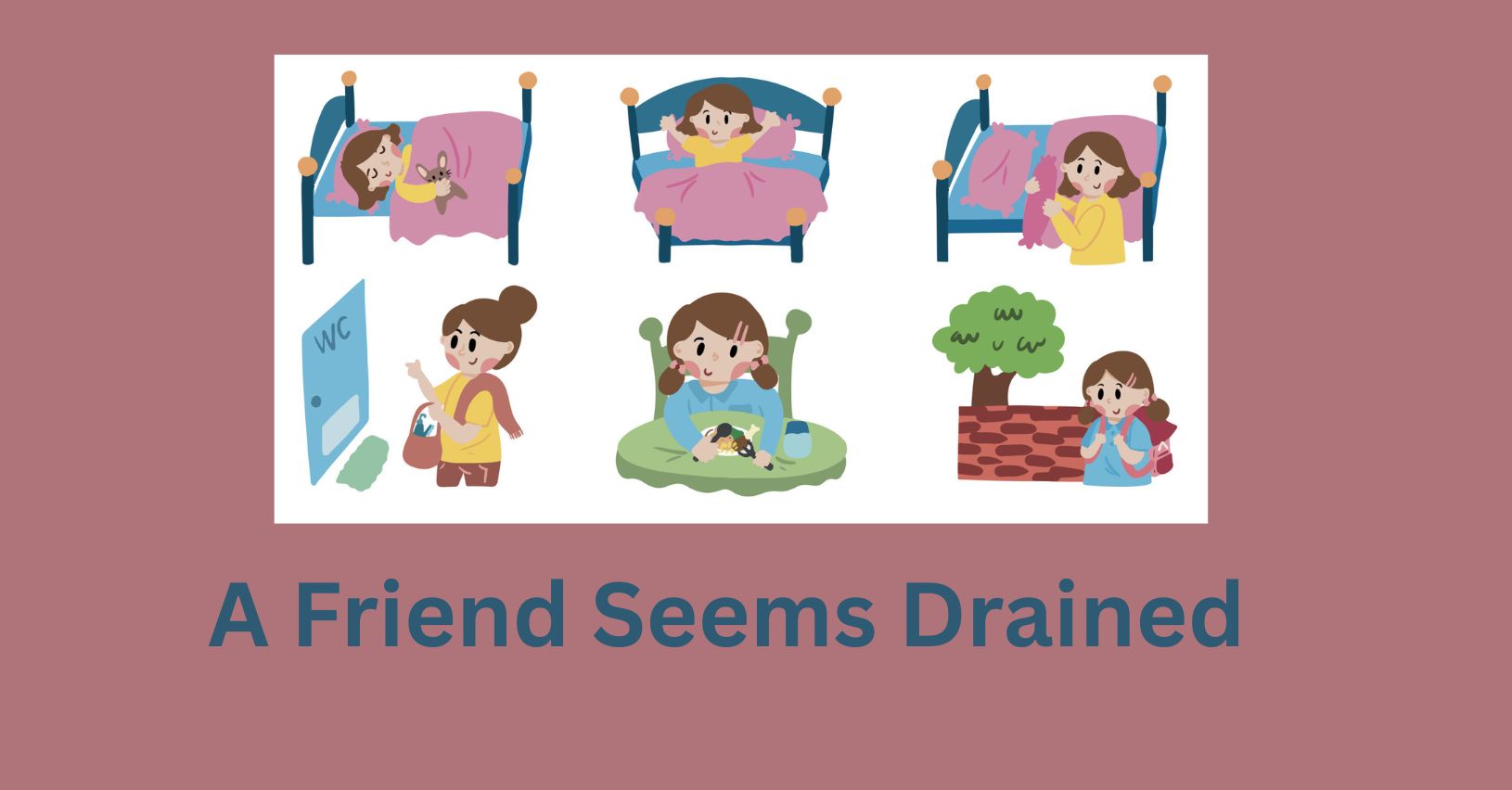
Your best friend is texting you about their exhausting workday and making obvious typos. They’re clearly mentally fried, struggling to form coherent thoughts. You want to suggest rest without sounding dismissive of their need to vent and process emotions. This delicate balance requires thoughtful language selection.
“GTB, you look exhausted” fails because it sounds commanding despite good intentions. The phrase lacks warmth and could feel like you’re cutting off their emotional processing. Friends need validation before solutions, and jumping straight to GTB slang skips the empathy step entirely.
Better Approach for Exhausted Friends
“You’ve had such a long day. Try to get some rest soon, okay? We can talk more tomorrow when you’re refreshed.” succeeds through validation plus gentle suggestion. You acknowledge their struggle first, demonstrate continued availability, and suggest rest as self-care rather than dismissal of their feelings.
Maintaining Professionalism While Showing Care
“We’ve both been working hard tonight. Let’s table this and tackle it fresh in the morning. Get some rest!” balances professionalism with genuine concern. The collaborative framing-“we’ve both”-creates shared experience rather than singling them out. This demonstrates professional texting behavior that respects boundaries while acknowledging human needs.
Expressing Loving Concern Effectively
“You’ve done amazing today-time to recharge those brain cells. Your mind needs rest to retain everything you studied.” Successes through affirmation plus education. You praise their effort first, then provide logical reasoning for the rest. The heart emoji maintains romantic context throughout.
15 Professional Replies Instead of “GTB.”
GTB Meaning Mastering diverse response options elevates your communication toolkit dramatically. These polite texting phrases cover various scenarios-from professional boundaries to intimate relationships-ensuring you always have appropriate language available.
The following alternatives demonstrate how tone in texting shifts through careful word selection. Notice how some emphasize logic while others prioritize emotion. Some create collaboration while others affirm autonomy.
1. “You’ve worked hard-go ahead and get some much-deserved rest.”
This phrase combines acknowledgment with permission-granting language beautifully. The recognition of effort validates their contribution before suggesting rest. “Much-deserved” emphasizes they’ve earned this break, removing any guilt around stopping work. This works perfectly in professional tone contexts where you want warmth without crossing boundaries inappropriately.
2. “It’s getting late, let’s both catch some sleep and pick this up tomorrow.”
Collaborative framing transforms individual suggestions into shared decision-making. By including yourself-“let’s both”-you create a partnership rather than issuing orders. This approach works brilliantly during co-worker chat scenarios where equal footing matters for maintaining positive professional relationships long-term.
3. “Your body and brain will thank you if you rest now.”
Logical appeals work exceptionally well with analytically-minded individuals. This phrase focuses on biological reality rather than emotional pressure. The personification-body and brain “thanking” them adds gentle humor while maintaining scientific grounding. This text message alternative succeeds across diverse personality types.
4. “Sounds like sleep is calling your name-don’t ignore it.”
Playful personification makes bedtime suggestions feel less directive and more observational. You’re noticing external forces-sleep itself-rather than imposing personal will. This casual alternative works beautifully in friend texting scenarios where established comfort enables creative language play.
5. “No shame in resting early. You’ve earned it.”
This phrase directly addresses the guilt many people feel about rest and self-care. A productivity culture makes people feel lazy for prioritizing sleep, even when exhausted. Explicitly stating “no shame” gives permission to prioritize health over hustle, which many desperately need to hear.
6. “Rest up, and we’ll talk tomorrow, fresh and focused.”
The promise of future connection prevents abandonment anxiety during conversation endings. The phrase “we’ll talk tomorrow” explicitly commits to continued relationship investment. This reassurance matters tremendously during emotional conversations where people fear vulnerability might push others away.
7. “Let’s pause for now-you need your energy.”
Direct acknowledgment of fatigue validates their experience without judgment. The phrase recognizes observable reality-they’re tired-without making them feel weak or inadequate. This honest approach builds trust through authentic communication and clarity rather than dancing around obvious truths awkwardly.
8. “Wishing you a restful night. Sleep well!”
Traditional goodnight wishes never go out of style for good reason. This classic phrase works universally across cultures, generations, and relationship types. The warmth feels genuine without requiring deep intimacy or established communication patterns, making it perfect for text message etiquette in uncertain situations.
9. “It’s time to put that phone down and dream a little.”
GTB Meaning Playful instruction mixed with whimsical invitation creates an engaging bedtime suggestion. The phrase addresses modern reality-people scroll endlessly before bed-while gently redirecting toward healthier habits. This works particularly well during partner conversations where gentle accountability strengthens relationships.
10. “I’ll let you go rest now. Good night!”
GTB Meaning Taking responsibility for ending a conversation significantly demonstrates emotional maturity. Rather than making them feel dismissed, you’re actively releasing them from social obligation. This subtle distinction matters enormously during sensitive conversations where people already feel vulnerable or uncertain.
11. “Late-night wisdom is rare- go to sleep before decisions get wild.”
Humorous acknowledgment of fatigue-induced poor judgment creates shared laughter. Everyone’s experienced making questionable late-night decisions, so this reference builds a connection through common experience. The playful tone prevents any commanding interpretation while clearly suggesting rest.
| Response Type | Best For | Tone | Key Element |
| Professional | Colleagues | Respectful | Collaboration |
| Casual | Friends | Warm | Humor |
| Caring | Partners | Loving | Affirmation |
| Direct | Family | Clear | Honesty |
12. “Your future self will thank you for sleeping now.”
This phrase employs temporal perspective-taking for powerful persuasion. Imagining future consequences helps people make better present decisions. The logical appeal works across personality types because everyone values future well-being, even when present exhaustion clouds judgment temporarily.
13. “Sweet dreams await-don’t keep them waiting!”
Whimsical personification creates gentle urgency without actual pressure. The idea of dreams “waiting” adds magical thinking that appeals to imagination. The sleep emoji reinforces meaning while adding visual interest that captures attention during rapid text scanning.
14. “Recharge mode activated. See you tomorrow!”
Tech-inspired metaphors resonate strongly in digital-native communication contexts. Comparing humans to devices needing charging feels natural for generations raised with smartphones. The lightning emoji reinforces the electrical metaphor while adding visual punch to your message.
15. “Sleep tight! Tomorrow’s adventures need a rested you.”
Forward-looking optimism makes rest feel like preparation rather than defeat. Framing sleep as an investment in future experiences shifts perspective dramatically. This approach works exceptionally well with achievement-oriented people who struggle justifying rest without a productive purpose attached.
When Not to Use GTB?
GTB Meaning Professional environments demand elevated language that GTB simply cannot provide. Using text abbreviations in corporate messaging contexts risks damaging your professional reputation permanently. Slack messages and work emails create permanent records.
The informal nature of GTB conflicts fundamentally with the professional boundaries most workplaces maintain. Even in casual startup cultures, abbreviations toward colleagues might read as disrespectful or dismissive.
GTB and Internet Culture
Digital shorthand evolved from technological constraints, transforming into cultural markers. Early SMS character limits forced efficiency, creating abbreviations like GTB, BRB, LOL, and TTYL.
Internet culture embraces efficiency partly because online communication happens faster than face-to-face conversation. Chat acronyms enable real-time dialogue that mimics speech patterns despite text format limitations.
More post: STSU Meaning in Text Master This Powerful Acronym in 2025
Mastering the “Go to Bed” Message
GTB meaning in text encompasses “Go to Bed” and “Got to Bounce” primarily, with context determining which interpretation applies. Platform matters-GTB meaning on Snapchat typically signals bedtime during late-night texting, while GTB meaning on Instagram often indicates conversation exits.
Tone determines everything during digital communication. GTB slang can sound caring or commanding depending on emoji usage, timing, and relationship context. Professional settings demand thoughtful alternatives that demonstrate respect and empathy.
Frequently Asked Questions
What is the full name of GTB?
GTB stands for “Go to Bed” primarily in texting contexts, though “Got to Bounce” serves as a common alternative meaning. Context and platform determine interpretation significantly.
What is a short form in chatting?
Short form refers to abbreviated expressions like GTB, LOL, and BRB that save time during digital conversations. These messaging shortcuts evolved from SMS limitations originally.
What does gNB stand for?
gNB means “gNodeB” in 5G telecommunications terminology, representing network base stations. This acronym rarely appears in casual texting.
How is your full form in chat?
“How are you” becomes “HRU” in text slang, while “HBU” means “How bout you” and “WYD” asks “What are you doing”? for quick greetings online.
Conclusion
GTB’s meaning in text reveals digital communication’s complexity-three letters carrying multiple meanings across platforms and contexts. Whether suggesting bedtime through GTB on Snapchat or signaling exits via GTB on Instagram, understanding context prevents misunderstandings.
Professional environments demand thoughtful alternatives, while casual friendships permit abbreviated GTB slang freely. Master these nuances, read your audience carefully, and choose text message etiquette that strengthens relationships rather than straining them unnecessarily through poor communication choices.

Passionate about innovation and growth. Dedicated to managing, optimizing, and creating seamless experiences while supporting diverse content and users with professionalism and clarity every day.