RLS Meaning You’re scrolling through messages when suddenly someone drops “RLS” in the chat. Your brain pauses. Are they discussing a medical condition? Is it gaming slang? Something you should definitely know by now? Stop second-guessing yourself. Most people have no idea what RLS means in text, actually represents, and you’re about to join the confident minority who do.
What Does RLS Stand For in Text?
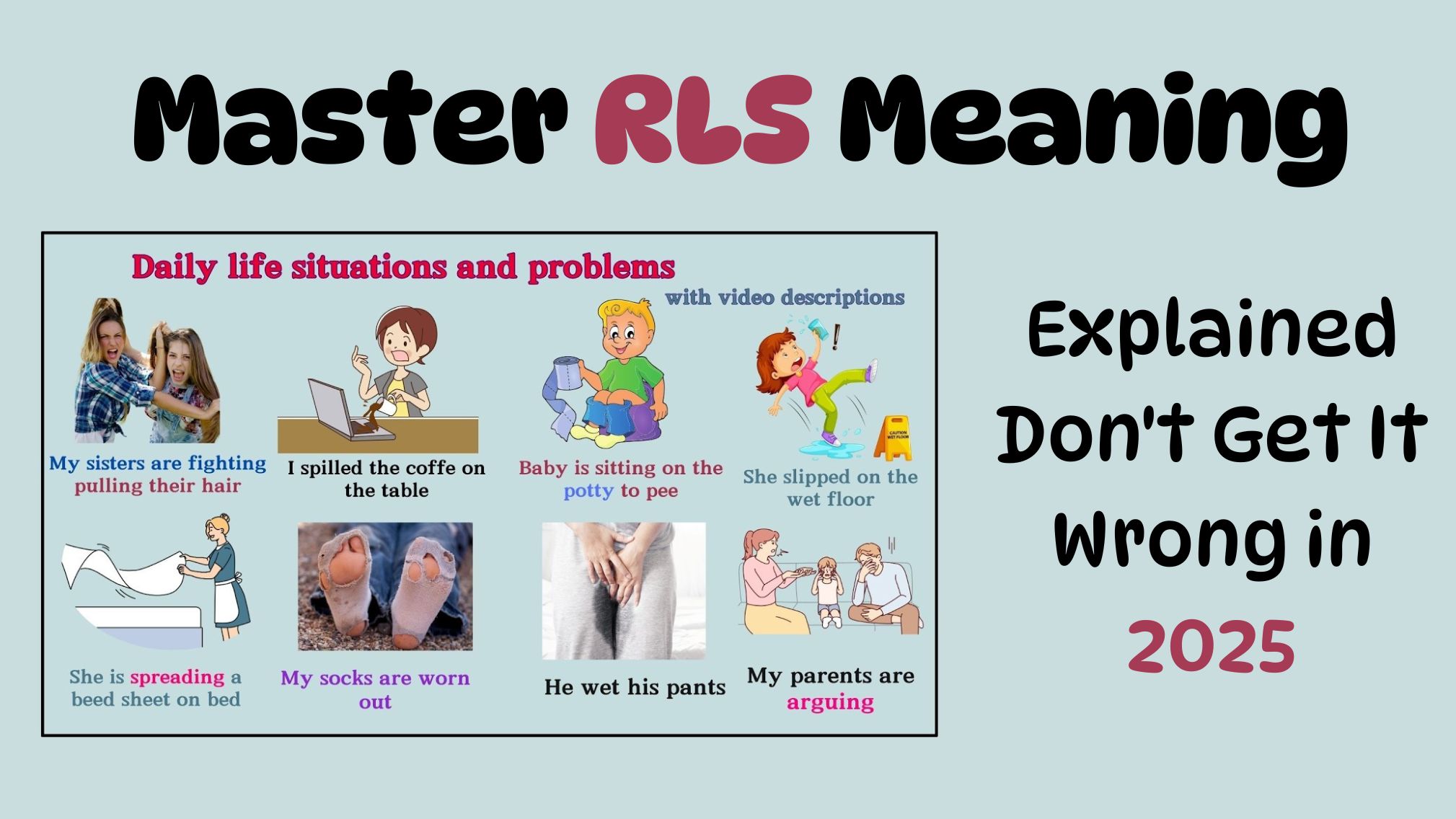
RLS Meaning RLS stands for “Real Life Situations.” This internet slang term represents actual, offline circumstances that interrupt digital interactions. When someone says “RLS,” they’re acknowledging that physical reality demands their attention more urgently than online presence.
The beauty of the RLS abbreviation lies in its simplicity and versatility. It works across platforms because everyone understands the concept: life happens outside screens. Unlike some obscure texting abbreviations, RLS directly translates to something universally relatable. People use it in text messages, gaming servers, social media DMs, and group chats with equal effectiveness.
Common RLS Usage Patterns
RLS Meaning RLS examples vary widely depending on context and severity. Someone might say, “RLS hit me hard this week” to indicate overwhelming personal obligations. Another person might use “Sorry for ghosting, RLS” to explain sudden digital absence. The RLS’s full form communicates the same message across all these variations: something important in the physical world is happening right now.
What makes RLS slang meaning effective is how it bridges communication gaps without requiring emotional labor from either party. You’re being honest without oversharing. Transparent without being invasive. That’s the sweet spot modern communication seeks.
Why Do People Use RLS in Online Conversations?
RLS Meaning Digital communication has created a unique challenge: maintaining connections across two different life realities. People exist simultaneously online and offline. RLS usage emerged as a practical solution to this modern problem. Understanding why people reach for this abbreviation reveals important truths about contemporary messaging shorthand and online vs offline communication dynamics.
First, RLS saves precious time. Instead of typing lengthy explanations about personal matters, people compress reality into three letters. This efficiency respects both parties’ schedules. The sender doesn’t burden the receiver with details. The receiver understands the message without asking follow-up questions. It’s an elegant communication design.
HBU Meaning Revealed Crush Your Digital Communication With Polite Alternatives in 2025
The Privacy Advantage of RLS
Many people prefer RLS’s meaning in chat because it doesn’t force vulnerability. Explaining why you can’t respond requires emotional exposure. Your boss doesn’t need to know about family drama. Your gaming friends don’t need detailed medical information. RLS lets you acknowledge reality while protecting personal space.
Additionally, RLS examples show how the abbreviation works across power dynamics. A teenager can use it with their parents. An employee can use it with supervisors. A friend can use it casually. The real-world commitments umbrella is large enough to cover everything without revealing specifics.
Is RLS Considered Professional?
RLS Meaning Here’s where RLS’s meaning in text gets complicated. Short answer: Not really. RLS belongs firmly in casual territory. It thrives in Discord servers, friend group chats, gaming forums, and peer-to-peer messaging. Step into professional environments, and RLS becomes problematic.
Professional settings demand clarity over efficiency. Your boss needs to understand the situation, not decode abbreviations. Clients expect full words and complete sentences. Academic submissions require formal language. Workplace emails should reflect respect through proper communication standards. Using RLS in these contexts signals several negative things simultaneously: laziness, lack of professionalism, and insufficient care for the relationship.
Where RLS Absolutely Fails
| Communication Context | RLS Appropriateness | Why It Fails |
| Business emails | Never | Appears unprofessional and lazy |
| Job applications | Never | Suggests poor writing standards |
| Academic papers | Never | Violates formal language requirements |
| Client communication | Never | Disrespects paying customers |
| Customer service | Never | Looks dismissive and unhelpful |
| Formal meetings | Never | Appears disorganized |
| Cover letters | Never | Damages credibility immediately |
| Official documentation | Never | Fails to meet communication standards |
When NOT to Use RLS?
RLS tempts everyone because it’s convenient. But convenience isn’t always your friend. High-stakes situations demand more thoughtful approaches. Understanding when to skip RLS protects your reputation and strengthens relationships.
Your professor asks why you missed the deadline. RLS doesn’t cut it. They need substantive explanations and genuine accountability. A client complains that you haven’t responded. Saying “RLS” sounds dismissive. They’re paying for your attention. You owe them professionalism. Someone close to you is hurt by your absence? They deserve human words, not abbreviations.
Specific Situations Requiring Full Explanations
RLS Meaning When your supervisor requests a status update on a delayed project, “RLS” fails spectacularly. Provide context. Offer solutions. Show accountability. When a friend needs support during difficult times, they need your actual words, not abbreviations.
Formal communication requires more than shortcuts. It demands evidence that you value the relationship enough to invest effort. That investment builds professional credibility and strengthens personal bonds simultaneously.
Six Powerful Options of RLS
RLS Meaning Professional environments require professional alternatives to slang that communicate clearly without oversharing. These six options work beautifully across formal contexts. Each maintains appropriate boundaries while demonstrating respect and professionalism.
- “I was attending to personal matters.” This classic phrase works universally. It’s neutral enough to protect privacy while substantive enough to acknowledge reality. Your boss understands you had legitimate reasons. You’ve explained your absence without excessive detail. Perfect balance.
- “I had some urgent commitments to handle.” Using “urgent” signals importance. This phrase works particularly well when explaining delays to supervisors or clients. It acknowledges their needs while justifying your previous unavailability with professionalism.
- “I was tied up with external responsibilities.” This option establishes healthy boundaries. It communicates that your world extends beyond current obligations. Perfect for explaining why you weren’t immediately available during work hours. It respects professional relationships while honoring personal life.
- “I had pressing matters outside of work.” Straightforward and clear. This works best when you need to explain why you weren’t engaged during specific timeframes. It draws a healthy line between professional and personal life without sounding defensive.
- “Due to unforeseen personal circumstances, I couldn’t respond earlier.” Polished and empathetic. This phrasing demonstrates maturity and professionalism simultaneously. The word “unforeseen” implies you couldn’t have predicted or prevented the situation. It’s a mature way to acknowledge responsibility.
- “I was managing personal priorities that required my attention.” This demonstrates balance and self-awareness. You’re showing that you can juggle responsibilities responsibly. It suggests conscious decision-making about competing priorities. Leadership respects this kind of honesty.
Polite and Respectful Alternatives to RLS
“Apologies for the delay, I had some things to take care of offline.” This opens with an acknowledgment of impact before explaining reasons. You’re validating their wait while explaining yours. The phrase “offline” gently reminds them you inhabit multiple realities. It’s warm without being excessive.
- “I’ve been caught up with real-life obligations lately.” Friendly yet explanatory. This works because it’s honest and relatable. Everyone handles offline responsibilities. People understand and respect this reality. The word “lately” suggests temporary circumstances, implying future availability.
- “Life has been a bit hectic on my end recently.” This is relatable communication at its finest. Everyone knows chaos. This phrase creates an instant connection. You’re not hiding or defending. You’re simply sharing a moment of honest humanness that resonates universally.
- “Thanks for your patience, I had some non-digital priorities recently.” Gratitude changes relationship energy entirely. By thanking them first, you shift the conversational tone positively. “Non-digital priorities” gracefully describes real-world commitments without sounding like you’re choosing them over the relationship.
- “I was focused on a few personal matters and couldn’t get back to you.” Simple and honest. This works because it’s straightforward. You’re not making excuses. You’re explaining where your focus went. It’s transparent without being defensive.
- “Appreciate your understanding. I had some real-world stuff going on.” Thoughtful with subtle lightness. This acknowledges their patience while maintaining authenticity. The casual phrase “real-world stuff” keeps things conversational while proving you’re managing delayed replies honestly.
Perfect for Group Chats
RLS Meaning Casual friend groups, gaming communities, and informal spaces speak a different language entirely. These six alternatives fit naturally in those environments. They maintain honesty while keeping communication light and relatable.
“Sorry, real life got in the way.” Classic and universally understood. This works because it’s honest without drama. There’s no judgment here. Just shared understanding that offline responsibilities interrupt everyone’s digital life. Simple effectiveness.
“Been swamped with offline stuff lately.” Relatable and breezy in tone. This tells your friends you’re drowning in real-world obligations without requesting sympathy. It’s a status update more than an apology. Your friends get it immediately.
“Life’s been wild, trying to catch up now.” Energetic communication. This acknowledges chaos while suggesting you’re handling it. It’s less apologetic and more invitational. You’re bringing friends into your experience rather than hiding it.
“Had some IRL drama, all sorted now.” IRL means “In Real Life.” This substitutes for RLS while keeping the tone conversational. Calling it “drama” maintains lightness. Saying “all sorted” suggests competence. Your friends respect this maturity.
“Been dealing with some life stuff.” Keeps things light yet truthful. This works in casual group chats because it’s vague enough to respect privacy while honest enough to explain absence. It’s transparent without oversharing.
“Offline chaos, you know how it goes.” Conversational and engaging. This phrase assumes shared understanding among peers. It’s casual banter that acknowledges reality. The exclamation point keeps energy positive despite discussing obstacles.
Your Decision Framework
RLS Meaning Selecting appropriate communication requires one essential skill: reading your audience. Different relationships, platforms, and situations demand different approaches. Understanding your audience determines everything about successful communication choices.
First, assess relationship quality. How close are you to this person? How much intimacy exists between you? Close friends deserve casual messaging shorthand. Supervisors deserve professional alternatives. This fundamental question drives all others.
Decision Matrix for Quick Reference
| Relationship | Context | Best Approach | Example Phrase |
| Boss/Supervisor | Project delay | Professional | “I had pressing matters outside of work.” |
| Close Friend | Gaming cancellation | Casual | “Life’s been wild, trying to catch up.” |
| Colleague | Meeting lateness | Polite | “Thanks for your patience, had non-digital priorities.” |
| Client | Response delay | Professional | “I was attending to personal matters.” |
| Group chat | General absence | Casual | “Been swamped with offline stuff lately.” |
| Romantic partner | Reduced availability | Respectful | “Been caught up with obligations lately.” |
| Acquaintance | Explanation needed | Polite | “Had some things to take care of offline.” |
The Subtle Difference Between RLS and IRL
RLS Meaning People throw RLS and IRL around like they’re interchangeable. They’re emphatically not. Understanding the distinction matters for precise online vs offline communication and avoiding confusion.
- IRL (In Real Life) describes a shift in location or context. “Met them IRL” means you knew someone exclusively online, then encountered them physically. IRL highlights the contrast between digital and physical existence. It answers “where did you encounter this?”
- RLS (Real Life Situations) explains specific obstacles or circumstances. “Can’t chat, RLS happening” means your real-world responsibilities demand attention right now. RLS discusses what’s happening and why you’re unavailable. It answers “why are you absent from digital space?”
Real World Comparison Examples
- “Never met them IRL, only gaming buddies” describes your relationship type and history. It paints a picture of an exclusively online connection.
- “Can’t raid tonight, RLS is crazy,” explains why you’re unavailable right now. It indicates immediate circumstances preventing participation.
- “Going to meet my IRL friend later” describes an upcoming physical meeting.
- “Been dealing with RLS, can’t get online much,” explains why your presence has decreased.
When RLS Works Perfectly?
RLS Meaning Gaming communities speak RLS fluently. Discord servers, Twitch chats, gaming forums, and competitive communities understand immediately when someone says “RLS.” Nobody expects detailed explanations here. Everyone recognizes that real-world obligations interrupt gaming sessions constantly.
Chat apps with close friends provide perfect RLS territory. WhatsApp, Telegram, Signal, and similar applications function as peer-to-peer casual communication. With people you know well, RLS fits naturally into your shared language. It’s efficient, it’s relatable, it’s honest.
Common Misunderstandings About RLS
RLS is not “Restless Leg Syndrome.” Yes, they share identical letters. But they’re completely different universes. Restless Leg Syndrome represents a legitimate neurological condition involving involuntary leg movements during sleep or rest. Text RLS discusses “Real Life Situations.” Context instantly clarifies meaning.
RLS is not IRL. We covered this distinction above, but repetition matters here. They’re not interchangeable. They’re not types of each other. They serve completely different communicative purposes. RLS explains obstacles. IRL describes location shifts.
Communication Tip
- You build credibility instantly. People trust those who explain thoughtfully, not those who constantly abbreviate. Credibility compounds over time.
- You avoid misinterpretation. Clear words leave zero room for confusion or negative assumptions. Ambiguous messages create unnecessary relationship friction.
- You come across as genuinely thoughtful. Extra effort signals that you care. People feel that investment viscerally.
- You strengthen relationships measurably. Communication is an investment in relationships. People notice when you invest time and thought. That notice strengthens bonds.
What Does RLS Mean on Social Media Platforms?
What does RLS mean on TikTok? On TikTok, creators use RLS in comments and captions, meaning “Real Life Situations.” Creators explain posting delays by mentioning RLS. The platform’s casual culture accepts this abbreviation naturally.
What does RLS mean on Instagram? Instagram users employ RLS similarly, especially in captions explaining reduced posting frequency. The social media language accepts casual abbreviations. Followers understand that creators manage real-world obligations.
What does RLS mean in relationship contexts? In relationship discussions, RLS’s meaning relationship sometimes emerges when partners explain availability issues. “RLS got in the way of date night” indicates real-world obligations interrupted romantic plans. Understanding this usage prevents misinterpretations.
What does RLS mean when a girl texts it? When someone texts “What does RLS mean in text from a girl,” the answer is identical: Real Life Situations. Gender doesn’t change RLS meaning. Everyone uses it the same way. Don’t overthink gendered communication differences that don’t exist.
Related Text Slang You Should Know
RLS Meaning Understanding RLS connects to broader internet slang knowledge. Related abbreviations appear constantly in online conversations. Knowing them prevents confusion and improves your digital communication skills.
HM means “How’s it going?” or “What’s up?” People use it as a quick greeting.
HBU stands for “How about you?” Used when asking about someone’s status or opinions.
HRU means “How are you?” Common in casual messaging.
WBY stands for “What about you?” Used when redirecting a conversation.
ND means “And?” or sometimes “Nothing.” Context determines exact meaning.
ATP stands for “Answer the phone.” Used when someone’s not responding.
NTM means “Never mind.” Used when dropping previous topics.
FT means “For the record” or “FaceTime.” Context clarifies which meaning applies.
SS can mean “Screenshot” or “Straight stupid.” Digital context determines meaning.
What does PLS mean in text? PLS means “Please.” It’s one of the most common texting abbreviations.
What does RL mean in text? RL means “Real Life.” Similar to RLS but broader.
More post: Stop Misusing FYM Meaning in Texting Master This Slang in 2025
Expert Recommendations
Dr. James Mitchell, digital communication specialist, advises: “Young professionals who master contextual communication advance faster. They understand that clarity in professional contexts builds careers, while efficiency in casual contexts builds friendships. Both matter.” This balanced approach prevents the trap of applying one style universally.
RLS Meaning Another expert insight comes from communication professor Dr. Lisa Rodriguez: “The future of professional communication emphasizes clarity above speed. Artificial intelligence handles speed. Humans must demonstrate thoughtfulness, empathy, and strategic communication.
Frequently Asked Questions
What does RLS stand for in texting?
RLS stands for “Real Life Situations.” It’s text slang indicating that offline circumstances demand attention, making online engagement difficult or impossible right now.
How is RLS used in online conversations?
People use RLS to explain delays or absences without extensive detail. Example: “Sorry for the late reply, RLS has been intense.” It’s primarily casual online communication shorthand.
What does RLS mean?
RLS means “Real Life Situations,” referring to actual, offline events or responsibilities that interrupt digital interactions and demand immediate attention.
What do the initials RLS stand for?
The initials RLS stand for “Real Life Situations.” It’s internet slang used in text messaging and casual online communication to indicate real-world obligations.
Conclusion
RLS stands for “Real Life Situations,” and now you understand exactly when and how to use it appropriately. In casual spaces like gaming servers, friend group chats, and Discord communities, RLS is perfect shorthand. It communicates efficiently among peers who share understanding. But in professional settings, RLS falls flat immediately.
The real skill isn’t memorizing what RLS means in text. The real skill is choosing appropriate words for different audiences. Professionalism demands formal communication. Friendship allows casual shortcuts. Master both, and you’ll communicate confidently across every context imaginable.

Passionate about innovation and growth. Dedicated to managing, optimizing, and creating seamless experiences while supporting diverse content and users with professionalism and clarity every day.