SFS Meaning Ever received SFS from someone and felt confused? You’re not alone. This social media slang pops up across Instagram, Snapchat, and TikTok constantly. Understanding what SFS stands for helps you navigate digital communication smoothly and respond appropriately every time. SFS meaning changes based on context-it could mean Shoutout for Shoutout, Snap for Snap, or Spam for Spam. Each variation serves different purposes across platforms.
What Does “SFS” Mean in Text?
SFS in texting carries three distinct meanings depending on the platform and the relationship context. The most common interpretation is Shoutout for Shoutout, where two accounts promote each other simultaneously.
Context determines which meaning applies. When someone messages you SFS on Instagram, they’re usually requesting mutual promotion through stories or posts. On Snapchat, it’s almost always about maintaining that precious flame emoji.
| SFS Type | Primary Platform | Main Purpose |
| Shoutout for Shoutout | Instagram, TikTok | Audience growth |
| Snap for Snap | Snapchat | Streak maintenance |
| Spam for Spam | Instagram, TikTok | Engagement boost |
Shoutout For Shoutout (SFS)
Shoutout for Shoutout dominates Instagram and TikTok as a mutual promotion tactic. Two accounts feature each other’s profiles in stories, posts, or reels. This content collaboration exposes both accounts to new audiences simultaneously. Small influencers and micro-creators rely heavily on this social media growth strategy.
Snap For Snap (SFS)
SFS Meaning Snap for Snap lives exclusively on Snapchat, where maintaining Snapstreaks becomes serious business for many users. Friends exchange daily snaps-often just black screens captioned “streaks”-to keep that fire emoji burning. This digital communication ritual strengthens connections through consistent interaction.
Spam For Spam (SFS)
Spam for Spam involves rapidly liking posts and commenting across someone’s recent uploads in exchange for reciprocal action. This engagement exchange temporarily boosts both accounts’ visibility through platform algorithms. Many users coordinate these efforts through DMs or engagement pods seeking mutual engagement.
The Evolution of SFS
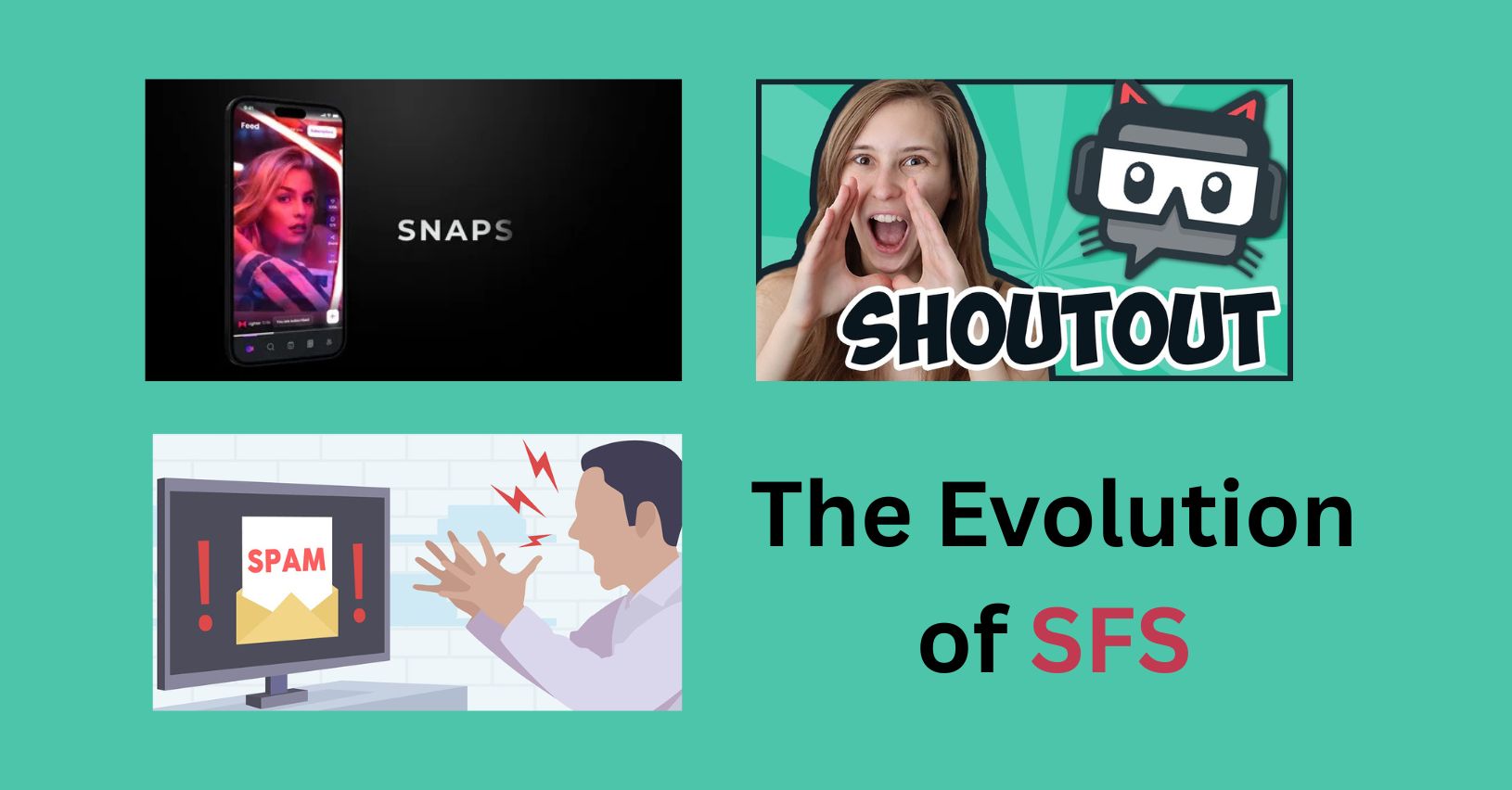
SFS emerged during Instagram’s early chronological feed days around 2013-2016. Before complex algorithms controlled visibility, mutual promotion offered genuine social media growth opportunities. Creators lacked sophisticated marketing tools, making peer-to-peer collaboration essential for reaching new audiences organically.
The golden era arrived between 2017-2019 when influencer marketing exploded. SFS became standard practice for small accounts building followings. These content collaboration efforts felt authentic because online branding remained relatively simple.
Where It’s Most Used Today
SFS Meaning Instagram Stories dominates current SFS activity through mention stickers and swipe-up links. The 24-hour visibility creates urgency that drives action. TikTok sees SFS in comments requesting duets or video collaborations. Snapchat maintains steady Snap for Snap traffic, focused on streak maintenance rather than growth.
Twitter rarely hosts SFS exchanges-the platform’s culture doesn’t naturally support this engagement strategy. LinkedIn absolutely prohibits such casual social media tactics, where professional digital etiquette dominates.
More post : BMS Meaning in Text Unlock This Viral Slang in 2025
Why Understanding SFS Matters Today
SFS Meaning Knowing the SFS meaning demonstrates fluency in modern digital communication. For personal branding, responding appropriately to collaboration requests maintains credibility and prevents awkward misunderstandings. Business owners recognize legitimate online collaboration opportunities versus time-wasting exchanges that dilute their content promotion strategy.
Parents and educators benefit from understanding the online abbreviations their kids use. Distinguishing genuine friendships from transactional social media relationships becomes easier.
Choosing the Right Tone When Replying to SFS
SFS Meaning Your response tone depends entirely on the relationship and platform context. Digital communication lacks body language, making word choice critical for conveying appropriate sentiment. The wrong tone appears pushy, rude, or immature, regardless of your intentions.
Three primary tones cover most situations: casual for friends on Snapchat, polite for acquaintances and new followers, and professional for brand partnerships. Matching tone to context shows emotional intelligence and respects boundaries.
Casual
SFS Meaning Casual tone fits perfectly for close friends across Instagram, TikTok, and Snapchat. Use emojis freely-they enhance rather than distract. Slang and abbreviations feel natural here. Exclamation points show enthusiasm without seeming unprofessional. This relaxed approach strengthens existing friendships through playful digital etiquette.
Quick responses work best; casually replying within minutes demonstrates excitement. Keep language short and energetic. Phrases like “Let’s gooo!” or “For sure!” match the vibe. This tone acknowledges the fun, low-stakes nature of friendly mutual promotion without overthinking the exchange or adding unnecessary formality.
Polite
SFS Meaning Polite tone works perfectly with new followers, acquaintances, and semi-formal connections. Express gratitude-“Thanks for reaching out” establishes warmth. Set gentle boundaries when declining without creating awkwardness. Leave doors open for future content collaboration possibilities through encouraging language.
This middle-ground approach respects both parties’ time and intentions. Complete sentences feel appropriate, though one or two friendly emojis maintain approachability. Response timing becomes more flexible-within 24 hours, shows respect without seeming desperate. Polite replies balance friendliness with professionalism beautifully.
Professional
SFS Meaning Professional tone becomes essential for brand accounts, business pages, and influencer marketing contexts. Complete sentences without slang demonstrate seriousness. Redirect collaboration requests to proper channels, like email or management contacts. Clear terms and expectations prevent misunderstandings that waste everyone’s time.
This approach protects your online brand presence and establishes boundaries around your content promotion strategy. Avoid emojis entirely or use them extremely sparingly. Thank requesters genuinely while explaining your current policies. Professional replies position you as serious about partnerships rather than casual social media participation.
12 Best Replies to “SFS” Messages
SFS Meaning Crafting perfect SFS replies requires understanding context, relationship dynamics, and your goals. These 12 responses cover casual, polite, and professional scenarios. Each reply serves specific situations where tone matching determines outcome success.
Copy these templates and adjust slightly for your voice. They provide frameworks that maintain appropriate boundaries while keeping digital communication smooth. Choose responses that align with your engagement strategy and relationship with the requester for the best results.
CASUAL Replies
SFS Meaning Casual replies suit friends, mutuals, and relaxed social media situations perfectly. These responses show enthusiasm without overthinking the exchange. Keep energy high and language brief for maximum impact.
- Reply #1: “Sure! I’ll post you in 5 mins. “-This immediate agreement demonstrates excitement. The specific timeframe creates accountability while the friendly emoji keeps things light. Use this when genuinely wanting to help friends grow quickly.
- Reply #2: “SFS? Let’s gooo! “-Mirrors their energy perfectly with Gen Z-approved language. The fire emoji adds hype that matches youthful enthusiasm. Perfect for TikTok or Instagram interactions, building excited momentum.
- Reply #3: “Yup, just tagged you! Post me back. “-Action-oriented response shows you’ve already followed through. The gentle reminder ensures reciprocity while the 100 emoji symbolizes commitment. Great for friends who might forget.
- Reply #4: “Only if you use a good pic of me “-Playful banter works when comfort levels support humor. The joke diffuses transactional feelings while maintaining fun vibes. Best friends understand this teasing tone immediately.
POLITE Replies
Polite responses handle acquaintances, new followers, and semi-formal connections gracefully. These maintain warmth while establishing clear boundaries when necessary. Perfect for online interactions requiring diplomatic touch.
- Reply #5: “Thanks for the offer! I’m not doing SFS right now, but I appreciate it!”-Acknowledges their effort respectfully while setting firm boundaries. Keeps relationships positive despite declining. Use when participation doesn’t align with goals.
- Reply #6: “Hey! I’d love to. I’ll tag you shortly-thanks for reaching out!”-Warm greeting establishes friendliness while “shortly” provides a flexible timeline. Gratitude ends positively. Perfect for genuine requests from people you’d like to know better.
- Reply #7: “Happy to support! I’ll include your handle in my next story.”-“Support” language demonstrates community-mindedness. Being specific about the method (Instagram Stories) clarifies expectations. Great for helping smaller accounts without pressure.
- Reply #8: “Of course! Let’s support each other’s growth. “-Eager agreement frames SFS as mutual benefit rather than transaction. The raised hands emoji symbolizes partnership. Works wonderfully with similar-sized accounts in complementary niches.
PROFESSIONAL Replies
SFS Meaning Professional responses suit influencers, entrepreneurs, brands, and business-focused accounts perfectly. These establish clear policies while maintaining respectful communication. Essential for protecting online brand presence and filtering serious inquiries.
- Reply #9: “Thanks for your message. At this time, I only do shoutouts through collaboration or sponsored content.”-Sets professional boundaries clearly while opening doors to paid opportunities. Establishes you as a monetized account immediately.
- Reply #10: “Appreciate the offer. Please contact my manager for collab opportunities-link in bio.”-Deflects without personal rejection through manager reference. Shows professional structure. Use when you actually have representation handling partnerships.
- Reply #11: “I’m currently not accepting SFS requests, but I’m open to strategic partnerships. Let’s connect via email.”-Distinguishes casual SFS from legitimate business content collaboration. The email channel signals serious inquiry expectations perfectly.
- Reply #12: “Thank you! I appreciate the idea. My content strategy doesn’t include SFS, but I wish you the best!”-Gracious decline frames decision as strategic rather than personal. Well-wishes maintain positive relationships while protecting boundaries.
How to Choose the Right Response to SFS
Selecting appropriate SFS replies depends on three critical factors: who’s asking, your personal goals, and platform relevance. Close friends deserve casual fun responses. New followers warrant polite warmth. Brands require professional clarity always.
Your objectives matter tremendously-growing followers means engaging openly with appropriate accounts. Focusing on authentic interactions requires politely declining transactional requests. Maintaining a professional reputation demands setting clear boundaries early to protect credibility.
| Relationship Type | Recommended Tone | Key Consideration |
| Close friends | Casual | Keep it fun and quick |
| New followers | Polite | Build a positive rapport |
| Business inquiries | Professional | Protect brand image |
Platform-Specific Considerations
Snapchat makes SFS completely normal and expected within its streak-focused culture. Casual responses fit perfectly here since the platform emphasizes informal digital communication. Instagram requires more strategic thinking-story SFS feels common, while feed SFS appears less authentic.
LinkedIn absolutely prohibits SFS as unprofessional behavior that damages credibility instantly. Decline or ignore these requests completely. TikTok’s algorithm makes SFS less necessary than genuine content collaboration through duets. Each platform’s culture dictates an appropriate engagement strategy significantly.
Red Flags to Watch For
Spotting problematic SFS requests protects your reputation and time. Accounts with follower counts dramatically higher than engagement likely purchased followers. Generic or bot-like comments signal low-quality accounts. Mass DMs using identical copy-pasted messages scream spam behavior.
Misaligned audiences create another warning sign-their niche completely differs from yours or geographic markets don’t overlap. Value mismatches risk associating your brand with controversial content. Always vet accounts thoroughly before accepting mutual promotion offers to maintain online brand presence integrity.
Alternatives to SFS for Different Contexts
Sometimes SFS sounds too casual or juvenile for your needs. Professional settings require polished language. These alternatives communicate identical intentions through clearer, more sophisticated phrasing that maintains digital etiquette across contexts.
Friendly alternatives include “Wanna tag each other for fun?” or “Up for some mutual love on stories?” These maintain warmth while sounding less internet-heavy. Polished yet personal options like “Let’s give each other a boost!” work beautifully for small business owners.
Friendly Alternates
“Wanna tag each other for fun?”-Perfect for Instagram Stories between friends. Playful and low-pressure tone works when you’re not overly serious about growth metrics. Use this when building genuine relationships matters more than strategic audience growth.
“Up for some mutual love on stories?”-Warm and community-focused language that feels less transactional. Great for friendly accounts you genuinely admire and want to support. This phrasing emphasizes relationship over metrics beautifully.
Polished Yet Personal
“Let’s give each other a boost!”-Enthusiastic content collaboration language for small business owners or creators. This phrasing clearly communicates mutual benefit without sounding transactional. Perfect when you see genuine partnership potential developing naturally.
“How about we share each other’s content today?”-Specific and action-oriented with a clear timeline. Works wonderfully for content creators with similar audiences, coordinating exact timing. This directness prevents confusion about expectations.
Business-Oriented
“Would you be open to a cross-promotion campaign?”-Strategic language for brand partnerships discussing multi-post collaborations. The “campaign” framing signals serious influencer marketing intentions rather than casual exchanges. Professional and open to discussion.
“Let’s explore a mutual content shoutout.”-Professional influencer outreach that doesn’t sound demanding. Open-ended phrasing invites conversation about partnership details. Works perfectly for initial contact with potential long-term collaborators.
When You Should Avoid Using SFS
Certain situations make SFS completely inappropriate and potentially damaging. Professional spaces like LinkedIn absolutely prohibit this casual social media slang. Corporate accounts lose credibility instantly through SFS usage. Colleagues may question your judgment and professional maturity.
Unsolicited SFS requests to strangers come across as spammy and desperate. Recipients feel used solely for your growth without an established relationship. A high likelihood of being blocked damages reputation before the connection forms. Always build authentic rapport first through genuine online interactions.
The Nuances of Tone and Digital Etiquette
Digital communication strips away facial expressions, voice inflection, and body language completely. Only word choice, punctuation, emoji usage, and response timing remain for conveying intent. Understanding these nuances determines whether online interactions succeed or fail miserably.
Tone mistakes create lasting damage. Too formal with friends feels weird and distant. Being too casual with business contacts appears unprofessional and immature. Apologizing excessively when setting boundaries undermines your position. Master these subtleties for smooth digital etiquette.
- Response timing signals interest levels: Within 24 hours shows respect; immediate replies risk seeming desperate professionally
- Emoji intelligence matters greatly: Zero emojis professionally; 1-2 politely; 3+ casually demonstrates energy appropriately
- Punctuation carries meaning: Periods feel final; exclamations show enthusiasm; questions invite discussion; multiples seem excessive
Tone Spectrum Application
Matching tone to relationship prevents awkward exchanges. Friends appreciate casual warmth-“Yesss, let’s do this! “-that mirrors their energy. Acquaintances need polite distance-“Thanks for thinking of me!”-that respects boundaries while staying friendly.
Business contexts demand professional clarity-“Please contact partnerships@brand.com for inquiries.”-without room for misinterpretation. This spectrum awareness demonstrates emotional intelligence and social competence across digital communication contexts. Practice matching tone until it becomes instinctive.
More post: Unlock GTB Meaning in Text Decode & Respond Like a Pro 2025
Common Digital Etiquette Mistakes
Apologizing profusely when declining weakens your position unnecessarily. Simple “Thanks, but I’m not doing SFS currently” works perfectly. Over-explaining decisions invites arguments rather than acceptance. State boundaries clearly without justification needed.
Using the wrong formality level creates discomfort immediately. Treating business like friendship or friendship like business both feel wrong. Read the room-examine how others communicate on each platform and match their energy appropriately for smooth online interactions.
Frequently Asked Questions
What does sfs mean on Snapchat?
On Snapchat, SFS means “Snap for Snap”-users exchange snaps to maintain or increase Snapstreaks, keeping that flame emoji alive beside their friend’s name daily.
What does SFS stand for in text messages?
SFS stands for three things: “Shoutout for Shoutout,” “Snap for Snap,” or “Spam for Spam,” depending on context and platform where the conversation happens.
What is the SFS full form?
SFS full form varies by usage: Shoutout for Shoutout (Instagram/TikTok mutual promotion), Snap for Snap, or Spam for Spam (engagement exchange across platforms).
Is SFS used in SMS texting?
SFS rarely appears in traditional SMS texting. It’s primarily social media slang for Instagram, Snapchat, and TikTok, not regular text message conversations between phones.
Conclusion
SFS represents more than trendy online abbreviations-it’s how people collaborate and connect digitally today. Whether maintaining Snapstreaks, growing your Instagram, or building genuine partnerships, understanding the SFS context matters tremendously for success. Your response reveals emotional intelligence and platform fluency instantly. Choose casual warmth for friends, polite boundaries for acquaintances, and professional clarity for business contexts. Master these nuances, and you’ll navigate online interactions with confidence, authenticity, and strategic savvy that build lasting connections across all social media platforms effectively.

Passionate about innovation and growth. Dedicated to managing, optimizing, and creating seamless experiences while supporting diverse content and users with professionalism and clarity every day.