TMB Meaning Ever received TMB in a message and paused mid-scroll? You’re not alone. Digital communication throws abbreviations at us constantly-some clear, others puzzling. This three-letter combo appears everywhere: Instagram DMs, WhatsApp chats, even workplace Slack channels. But context changes everything about what it actually means. Understanding text abbreviations isn’t just about decoding letters anymore. It’s about reading tone, recognizing relationships, and responding appropriately.
What Does TMB Mean in Text?
- TMB stands for “Text Me Back” in most casual messaging contexts.
- It’s a direct request asking someone to respond to your message.
- This abbreviation saves time and keystrokes.
- It is popular among friends who value efficiency over formality in their conversations.
- However, TMB meaning isn’t always singular.
- On Instagram, it often means “Tag Me Back”-requesting reciprocal tagging in posts or stories.
- Spanish speakers use it as “también,” meaning “also” or “too.”
- Context determines which interpretation applies in your specific situation.
- TMB functions differently depending on the platform or language.
- Casual chats mainly use the “Text Me Back” meaning.
- Social media use introduces the “Tag Me Back” variation.
- Multilingual users may interpret TMB as the Spanish word “también.”
Core Meanings Across Different Platforms
Digital platforms shape how people interpret TMB differently. WhatsApp users almost exclusively understand it as “Text Me Back,” while Instagram communities frequently use it for tagging requests. Platform culture influences which meaning dominates in specific digital spaces.
Cross-cultural communication complicates interpretation further. Bilingual conversations mixing English and Spanish create confusion when TMB switches between “Text Me Back” and “también.” Always consider your recipient’s linguistic background before deploying abbreviations that carry multiple meanings across languages.
Here’s How “TMB” is Used
TMB Meaning Casual friend conversations showcase TMB most naturally. Imagine texting: “Hey, loved that restaurant recommendation TMB with your schedule for next week!” The abbreviation fits perfectly-brief, friendly, and appropriate for established relationships where informality strengthens bonds.
Group chats provide another ideal environment for TMB usage. When coordinating plans among friends, efficiency matters more than formality. “Planning game night for Saturday. TMB if you’re coming!” communicates quickly without seeming demanding among close peers.
More post: Never Confuse LTR Meaning in Text What It Stands For and When to Use It 2025
Real-World Messaging Scenarios
TMB Meaning Family communication sits in the middle ground territory. Texting parents or siblings allows more casualness than professional contacts but less than best friends. “Sent reunion details. TMB when you’ve checked!” works if your family embraces relaxed texting styles.
Time-sensitive coordination sometimes justifies TMB usage. When you’re meeting someone in twenty minutes and need confirmation, “Running 5 mins late, TMB!” communicates urgency appropriately. The context itself-immediate logistics, why you’re being brief without seeming rude.
Why Tone and Context Matter
TMB Meaning Message interpretation depends heavily on factors beyond words themselves. Your relationship with the recipient, conversation history, and current circumstances all influence how TMB lands. What feels casual to you might seem demanding to someone juggling overwhelming personal situations.
Emotional intelligence in texting means recognizing these invisible dynamics. When you fire off “TMB” without considering whether your friend is stressed, grieving, or simply busy, you risk damaging trust. Thoughtful communicators adjust their approach based on what recipients need emotionally.
| Context | Tone Needed | TMB Acceptable? | Risk Level |
| Close friends | Casual, relaxed | Yes | Low |
| Business text | Polite, professional | Avoid | High |
| Group chat | Direct, light | Mostly fine | Medium |
| Romantic interest | Thoughtful, courteous | Use with care | Medium |
| Job inquiry | Respectful, concise | Never | Very High |
| Family elders | Warm, clear | Depends | Medium |
Relationship Dynamics and Messaging
TMB Meaning Established friendships tolerate abbreviations that newer connections can’t. Your best friend understands your communication patterns-they know TMB isn’t demanding but simply your texting style. Strangers lack this context, interpreting your brevity as coldness or rudeness.
Power dynamics significantly affect appropriate messaging choices. Texting your boss requires a different language than messaging peers. Even if your supervisor uses casual language with you, matching their informality isn’t always safe-maintain a slightly more professional tone to respect organizational hierarchies.
12 Best Alternatives to TMB
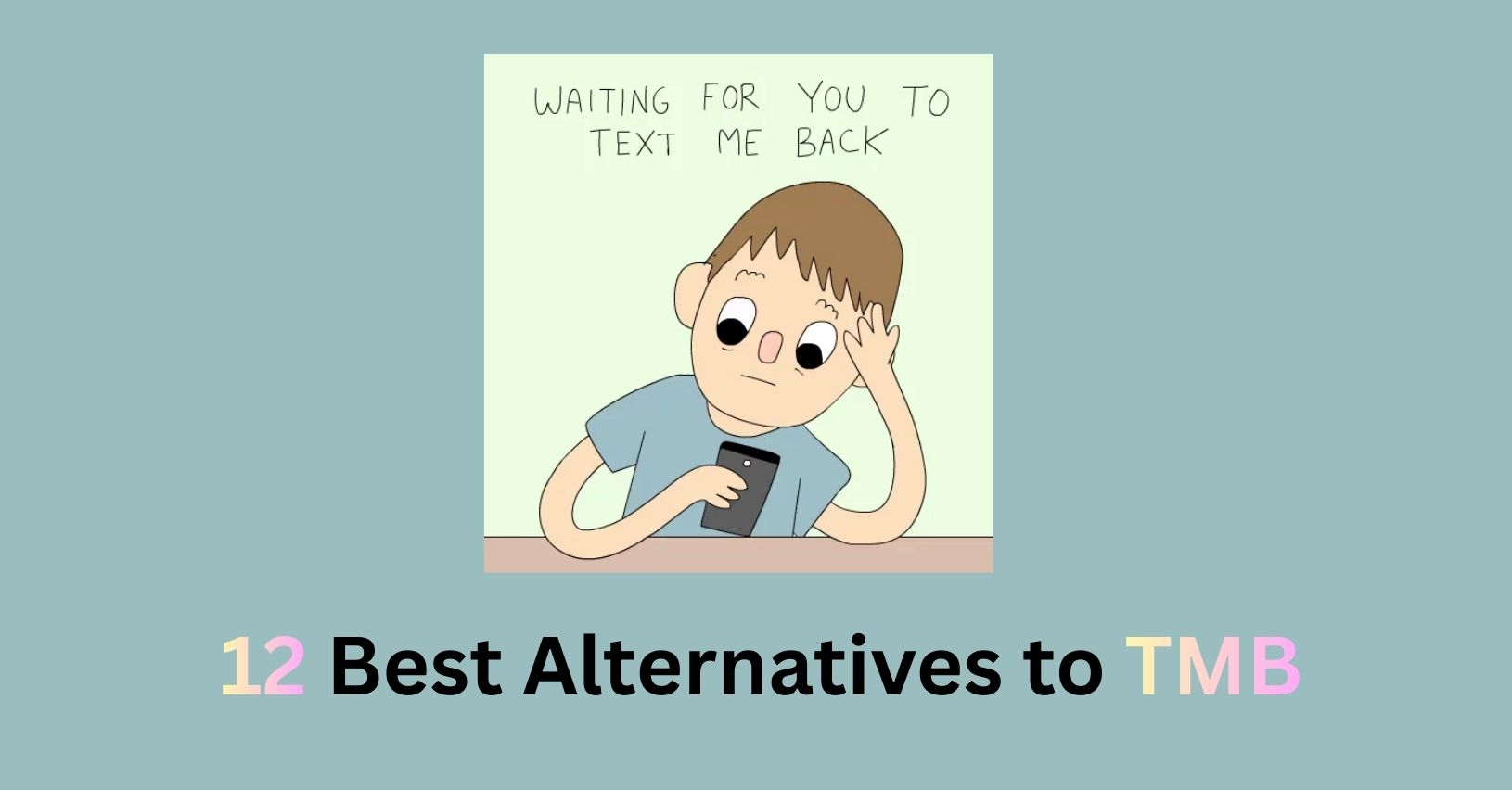
Finding better phrases than TMB strengthens your relationships while maintaining communication efficiency. These twelve alternatives match specific situations, offering warmth, professionalism, or casualness exactly when needed. Choose based on recipient, relationship, and conversation tone.
Each alternative serves distinct purposes-some work beautifully in professional settings while others shine in personal contexts. Understanding these nuances transforms you into a more effective communicator who builds rather than strains connections through thoughtful word choices.
1. “Let me know when you’re free.”
- Respectful phrasing shows you value someone’s time without pressuring immediate responses. This alternative works exceptionally well for professional conversations, romantic interests, or situations requiring thoughtfulness. It acknowledges recipients might be busy while expressing genuine interest in hearing back.
- Usage contexts include networking follow-ups, coordinating with colleagues, or reaching out to friends after prolonged silence. “Reviewed your proposal-let me know when you’re free to discuss details” sounds professional without seeming demanding. The phrase creates space for recipients to respond comfortably.
- Example: “Would love to grab coffee and catch up! Let me know when you’re free this month.”
- Why it works: Removes pressure while maintaining a warm, interested tone that strengthens relationships.
2. “Looking forward to your reply.”
- Formal communication benefits tremendously from this polished alternative. It conveys professionalism while expressing a genuine interest in the recipient’s response. Business texts, client emails, and networking messages sound appropriately expectant without crossing into demanding territory.
- Workplace scenarios where this phrase excels include project collaborations, proposal submissions, and professional inquiries. “Attached contract for review. Looking forward to your reply with any questions,” maintains appropriate business tone while clearly requesting feedback.
- Example: “Sent meeting agenda via email. Looking forward to your reply when you’ve had a chance to review.”
- Why it works: Professional yet warm, showing respect for the recipient’s time and expertise.
3. “Ping me back when you can.”
- TMB Meaning Tech-savvy casualness makes this alternative perfect for workplace communication among colleagues. It strikes a balance between professional and friendly, working well in modern office cultures that embrace relaxed internal messaging styles without abandoning professionalism entirely.
- Colleague interactions benefit from this phrasing when discussing projects, coordinating schedules, or sharing information. “Updated the shared document-ping me back when you can review it!” sounds collaborative rather than demanding, fostering positive team dynamics.
- Example: “Need your input on the design mockups. Ping me back when you can take a look!”
- Why it works: Casual yet workplace-appropriate, building friendly professional relationships.
4. “Just give me a quick reply when you’re available.”
- TMB Meaning Balanced neutrality serves mixed contexts beautifully. This phrase works when you’re unsure about formality in semi-professional situations, new acquaintances, or relationships still defining communication norms. It acknowledges busyness while requesting responses without seeming pushy.
- Versatile applications include coordinating with neighbors, messaging acquaintances about group events, or semi-formal professional contexts. “Checking on schedule changes-just give me a quick reply when you’re available” communicates efficiently while respecting boundaries.
- Example: “Planning the team lunch outing. Just give me a quick reply when you’re available with your preference.”
- Why it works: Neutral tone fits various contexts, showing consideration for the recipient’s circumstances.
5. “Get back to me when you’re ready.”
- TMB Meaning Pressure-free communication shines through this relaxed alternative. Perfect for personal conversations requiring thought or emotional processing, it removes urgency completely. Sensitive topics, advice requests, or situations needing careful consideration benefit from this patient phrasing.
- Appropriate situations include discussing emotional issues with friends, requesting favors, or any conversation where rushing feels inappropriate. “Shared my thoughts on your situation-get back to me when you’re ready to talk more.” respects emotional boundaries.
- Example: “No rush deciding about the trip. Get back to me when you’re ready with your answer.”
- Why it works: Eliminates pressure, showing genuine care for the recipient’s comfort and timing.
6. “Let’s catch up soon-drop me a line when you can.”
- Warm reconnection language makes this perfect for reaching out to distant contacts. Long-time friends, former colleagues, or relationships requiring rekindling benefit from this inviting, pressure-free approach. It expresses genuine interest without demanding immediate action.
- Reconnection scenarios work beautifully with this phrase-messaging old classmates, former coworkers, or friends you’ve lost touch with over time. “Been thinking about our college days! Let’s catch up soon-drop me a line when you can.” feels friendly and welcoming.
- Example: “Miss our brainstorming sessions from the last project. Let’s catch up soon. Drop me a line when you can!”
- Why it works: Friendly and inviting without pressure, perfect for maintaining distant relationships.
7. “Feel free to respond when you’re free.”
- TMB Meaning Gracious respect characterizes this exceptionally polite alternative. Professional relationships, new contacts, or situations requiring extra courtesy benefit from emphasizing recipient autonomy. It shows you value their time while still expressing interest in their response.
- Professional applications include following up on networking conversations, reaching out to potential mentors, or contacting busy executives. “Appreciate your insights earlier-feel free to respond when you’re free” demonstrates professionalism and consideration simultaneously.
- Example: “Sent the proposal for your review. Feel free to respond when you’re free with your thoughts.”
- Why it works: Emphasizes the recipient’s autonomy, building positive professional relationships through respect.
8. “Hope to hear from you soon.”
- TMB Meaning Warm semi-formality makes this alternative perfect for client communication, coworkers, and polite acquaintances. It balances friendliness with professionalism, working in contexts where you want warmth without excessive casualness. The phrase sounds optimistic without demanding.
- Client interactions particularly benefit from this phrasing. “Thanks for considering our proposal. Hope to hear from you soon!” maintains professional boundaries while conveying genuine interest. It works equally well with colleagues on collaborative projects.
- Example: “Enjoyed discussing the partnership opportunity. Hope to hear from you soon about next steps!”
- Why it works: Friendly yet professional, creating a positive impression without seeming pushy.
9. “Reply whenever it’s convenient.”
- Patient understanding defines this thoughtful alternative. Non-urgent matters, gentle reminders, or situations where flexibility matters most benefit from explicitly stating that no pressure exists. It shows emotional intelligence and respect for the recipient’s circumstances.
- Gentle reminder scenarios where this excels include following up on non-urgent requests, providing optional information, or situations where your message isn’t time-sensitive. “Shared background materials-reply whenever it’s convenient” demonstrates consideration for busy schedules.
- Example: “No rush on feedback for the draft. Reply whenever it’s convenient for you.”
- Why it works: Explicitly removes pressure, building trust through demonstrated patience and flexibility.
10. “Shoot me a quick text when you’re good.”
- Casual friendliness characterizes this relaxed alternative, perfect for close friends. Informal settings, established relationships, and situations valuing brevity over formality benefit from this upbeat phrasing. It maintains warmth while keeping things light and breezy.
- Close friend scenarios include coordinating hangouts, making casual plans, or quick check-ins. “Planning movie night for Friday-shoot me a quick text when you’re good to confirm!” sounds friendly and relaxed without formality that feels awkward among close peers.
- Example: “Need grocery list preferences. Shoot me a quick text when you’re good with what you want!”
- Why it works: Casual and warm, perfect for maintaining comfortable close friendships.
11. “Drop me a message when you get a sec.”
- Informal respect balances casualness with politeness beautifully. Colleague communication, casual acquaintances, and friendly workplace contexts benefit from this breezy yet respectful phrasing. It’s casual enough for comfort but polite enough for professional settings.
- Workplace applications where this shines include team coordination, casual project discussions, and friendly colleague interactions. “Got new ideas for the campaign-drop me a message when you get a sec to brainstorm.” fosters a collaborative atmosphere.
- Example: “Want to share something interesting about the project. Drop me a message when you get a sec!”
- Why it works: Balances informality with respect, ideal for friendly professional relationships.
12. “Let’s reconnect soon. Message me anytime.”
- Open invitation language makes this perfect for maintaining long-term connections. Reaching out after time apart, old friends, or relationships you want to preserve benefit from this warm, pressure-free approach. It extends welcome without demanding immediate action.
- Reconnection contexts include messaging former teammates, old neighbors, or friends whose life circumstances have been separated. “Moved back to town and would love to catch up! Let’s reconnect soon. Message me anytime” feels genuinely welcoming.
- Example: “Been thinking about our collaboration days. Let’s reconnect soon. Message me anytime that works!”
- Why it works: Warm and inviting, maintaining connections without pressure or obligation.
Why Not Just Use TMB?
TMB Meaning Convenience traps lure people into choosing speed over substance repeatedly. Saving three seconds typing “Text Me Back” costs relationship depth when recipients perceive your brevity as coldness. Digital communication already removes vocal tone and body language, and abbreviations eliminate the remaining warmth.
Emotional connection suffers when efficiency becomes sole priority. Humans crave feeling valued and respected. When you send TMB after months of silence, recipients sense transactional intent rather than genuine care. Your message screams “I need something” instead of “I value you.”
Communication Warmth vs. Efficiency
| Communication Aspect | Impact | Example Comparison | Long-term Effect |
| Human warmth | Distinguishes memorable communicators from forgettable ones | “Let me know when you’re free” (considerate) vs. “TMB” (demanding) | Builds or erodes relationships over time through how you make people feel |
| Professional reputation | Develops through consistent communication choices | Respectful messaging vs. careless messaging | Thoughtful communicators earn trust and opportunities; unprofessional messengers never receive them |
| Message memory | People remember feelings more than specific words | Warm phrasing creates positive emotional memory | Creates a lasting impression of your communication character |
| Personal brand | Your texting style becomes part of your identity | Colleagues notice messaging patterns consistently | Shapes how others perceive your professionalism and reliability |
Alternative table format:
| Factor | What It Means | The Choice You Make | What You Gain or Lose |
| Human warmth in messages | Separates memorable from forgettable communicators | Considerate phrases like “Let me know when you’re free” vs. demanding “TMB.” | Relationships either strengthen or weaken based on how you make people feel |
| Professional reputation | Built through every message you send | Respectful, thoughtful texting vs. careless, abbreviated communication | Trust and career opportunities vs. missed connections and stalled advancement |
Bonus Tip
TMB Meaning TMB Meaning Green light situations for TMB include messaging close friends about casual plans. “Running to the store, TMB with your snack preference!” works perfectly when efficiency strengthens rather than weakens the connection. Established relationships tolerate abbreviations, newer connections can’t absorb comfortably.
Group coordination scenarios often welcome TMB appropriately. When organizing events among friends who share casual communication norms, “Movie night Saturday? TMB if you’re in!” communicates efficiently without seeming rude. The group context itself provides social permission for brevity.
- Use TMB when: Messaging established friends about casual matters
- Use TMB when: Coordinating quick logistics requiring immediate confirmation
- Use TMB when: Communicating in space-limited formats like stories
- Use TMB when: Group chats with shared casual communication norms
When TMB Damages Communication
TMB Meaning Red flag situations include texting supervisors, professors, or anyone in authority positions over you. “Submitted assignment-TMB with grade” undermines professionalism regardless of how casual your educational institution’s culture feels. Always err toward respectful phrasing with authority figures.
New romantic connections demand exceptional thoughtfulness. “Had a great time-TMB!” after a first date sounds emotionally distant and potentially demanding. Your romantic interest might interpret this as disinterest masked in efficiency rather than genuine enthusiasm.
- Avoid TMB when: Communicating with bosses, professors, clients, or authority figures
- Avoid TMB when: Early dating stages require relationship building
- Avoid TMB when: Reaching out after prolonged communication gaps
- Avoid TMB when discussing emotional, sensitive, or serious topics
More post: Boost Communication Master BRB Meaning & Alternatives 2025
Strategic Usage Guidelines
Digital room reading determines appropriate communication choices. Before sending any message, consider the recipient’s current circumstances, your relationship history, and the conversation context. Would you appreciate receiving TMB in this exact situation? If hesitation exists, choose warmer alternatives.
Recipient communication style provides valuable guidance. Notice whether contacts typically use abbreviations or complete phrases. Matching their formality level shows respect and social awareness. When someone consistently writes thoughtfully, TMB feels jarring and disrespectful.
Frequently Asked Questions
What does TMB mean in text?
TMB primarily means “Text Me Back” in casual messaging, requesting or reminding recipients to respond. Context matters significantly-it can mean “Tag Me Back” on Instagram, “también” in Spanish conversations, or “Take Me Back” nostalgically.
What is the full meaning of TMB?
The full meaning of TMB is “Text Me Back“-digital shorthand requesting message responses. Alternative interpretations include “Tag Me Back” (social media contexts), “Take Me Back” (nostalgic posts), or “también” (Spanish for “also”).
What does TMB mean in English?
In English, TMB stands for “Text Me Back”-requesting responses efficiently. Usage varies dramatically by relationship and context. While appropriate among friends, it’s potentially unprofessional for workplace communication.
What is TMB on Instagram?
On Instagram, TMB typically means “Tag Me Back” or “Text Me Back,” depending on conversation context. “Tag Me Back” requests reciprocal tagging in posts or stories, while “Text Me Back” requests direct message responses.
Conclusion
TMB saves keystrokes but often sacrifices warmth and professionalism unnecessarily. Great digital communication balances efficiency with thoughtfulness-choosing words that respect recipients while conveying genuine interest. Whether texting friends or colleagues, intentional phrasing strengthens rather than strains connections.
Effective communication reflects emotional intelligence and social awareness. Replacing “TMB” with context-appropriate alternatives demonstrates you value relationships over convenience. Consider your recipient, message importance, and desired tone before hitting send. These small choices accumulate into powerful relationship-building habits.

Passionate about innovation and growth. Dedicated to managing, optimizing, and creating seamless experiences while supporting diverse content and users with professionalism and clarity every day.