YWA Meaning Ever stared at your phone after receiving “YWA” and wondered what vibe the sender was throwing your way? You’re not alone. Digital communication keeps evolving, and understanding texting abbreviations like YWA can mean the difference between maintaining smooth relationships and accidentally stepping into awkward territory.
YWA meaning in text conversations has sparked countless debates across group chats and forums. Some read it as friendly acknowledgment, while others sense passive-aggressive undertones lurking beneath those three letters. The truth? Context shapes everything.
This comprehensive guide breaks down what YWA means, how tone in texting transforms its interpretation, and which polite alternatives to YWA work better in different situations. Whether you’re texting friends, colleagues, or new acquaintances, you’ll master this abbreviation confidently.
What Does “YWA” Mean in Text?
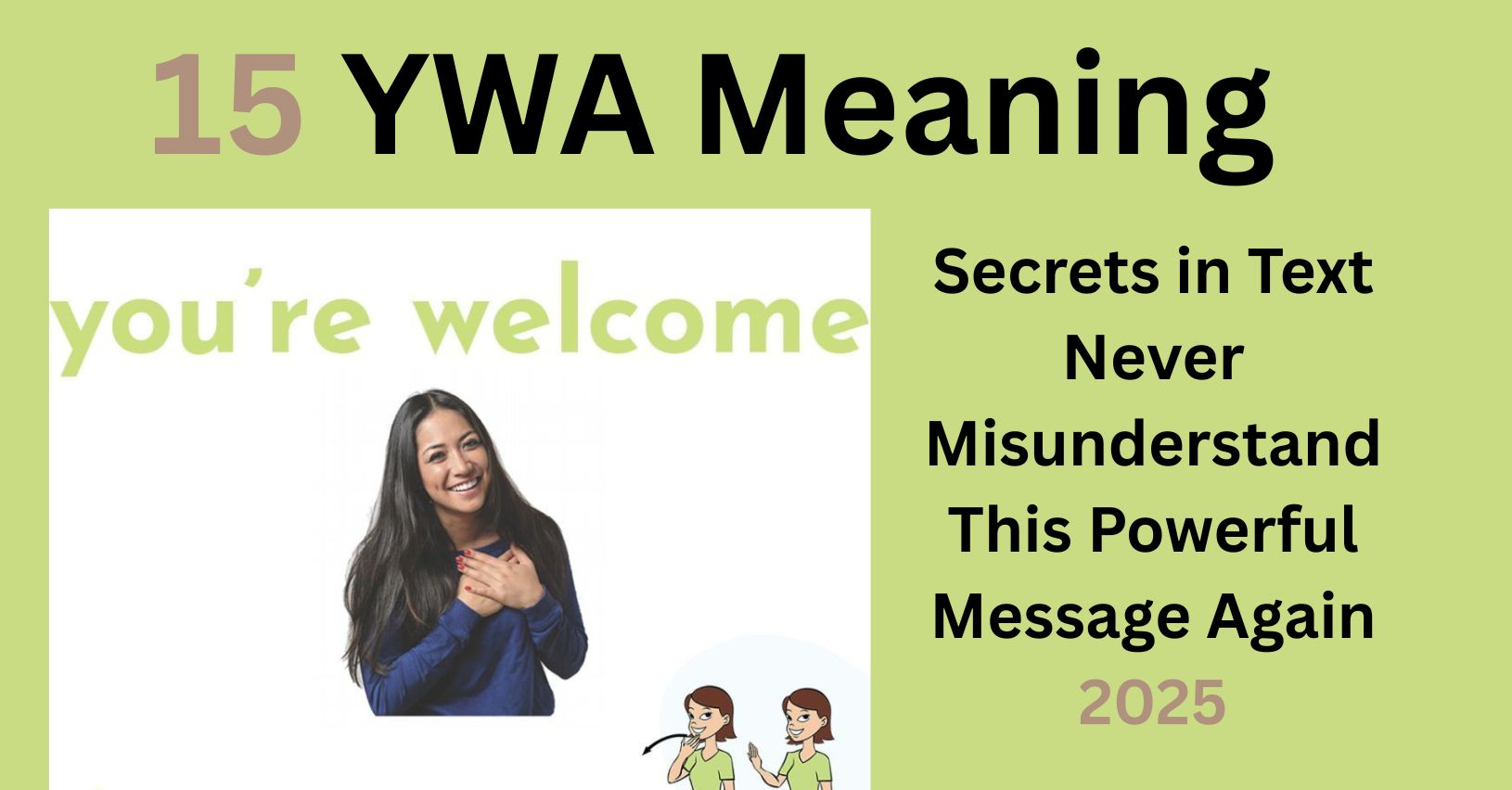
YWA Meaning YWA stands for “You’re Welcome Anyway” in digital communication. This text message acronym typically surfaces when someone thanks you after your help wasn’t utilized or appreciated. It’s the virtual equivalent of that slight shoulder shrug paired with a half-smile.
The phrase carries layered meanings depending on delivery. You might use YWA in text after offering advice someone ignored, or when closing a conversation that didn’t go as planned. Unlike straightforward abbreviations, this one walks a tightrope between genuine courtesy and subtle dismissiveness.
The Primary Definition and Origins
- Digital communication phrases like YWA emerged from our need for efficiency.
- Early texting had character limits that encouraged shorter responses.
- Typing speed also pushed people to compress common phrases.
- Users began turning full sentences into bite-sized acronyms.
- You’re Welcome Anyway was shortened into YWA
- YWA joined ranks with other casual texting terms.
- What makes YWA fascinating is the word “anyway.”
- That single addition changes the tone significantly.
- It transforms a simple “you’re welcome” into something more complex.
- “Anyway” implies moving past imperfection.
- It acknowledges things didn’t work out ideally.
- It still maintains politeness even in imperfect situations.
- The word suggests subtle disappointment or frustration.
- YWA carries emotional depth compared to a plain response.
- The phrase reflects how digital language captures nuanced feelings efficiently.
Punctuation and Emoji Impact
Here’s how different tone indicators change YWA usage:
1.”YWA!” – Enthusiastic and upbeat acknowledgment
2.”YWA…” – Hesitant or slightly disappointed
3.”YWA ” – Sarcastic or annoyed response
4.”YWA” – Genuine warmth and continued support
More post: Master LMK Meaning in Text 13 Powerful Ways to Use It Right in 2025
Relationship Dynamics That Matter
YWA Meaning Your connection with the text determines interpretation. Close friends might trade YWA casually without anyone batting an eye. But receiving it from your boss or a new acquaintance? That’s when avoiding misunderstandings in text becomes crucial for maintaining professional relationships.
Family group chats often see YWA used lightheartedly when someone declines grandma’s recipe suggestions or ignores dad’s driving directions. The existing rapport softens any potential edge. With strangers or formal contacts, though, this abbreviation risks creating unintended distance or confusion.
Close Friends vs. Acquaintances
Your connection depth determines how YWA in text lands with recipients. Close friends who know your communication style rarely misinterpret abbreviated responses because years of shared history provide context. They understand your humor, recognize your typing patterns, and won’t overthink three simple letters appearing on their screen. Acquaintances lack that foundation, so YWA meaning becomes murky without established rapport to guide interpretation.
Family Group Chat Dynamics
YWA Meaning Family texting creates unique communication tone indicators that differ from other relationships entirely. Parents, siblings, aunts, and cousins share inside jokes and communication shortcuts that outsiders wouldn’t understand at all. YWA might be your family’s running joke after dad’s unwanted advice or mom’s recipe suggestions everyone politely ignores. These group dynamics allow abbreviations that would fail miserably in professional contexts because affection softens potential edges.
Professional Colleague Boundaries
Workplace relationships require navigating professional texting etiquette with precision and thoughtfulness every single time. Even colleagues you genuinely like aren’t true friends in the personal sense, creating ambiguity around appropriate casualness. YWA usage risks crossing invisible professional boundaries that exist even in friendly office cultures and relaxed company environments. Your work reputation shouldn’t suffer because someone interpreted your abbreviated response as dismissive or disrespectful toward their efforts.
When Should You Use “YWA”?
YWA Meaning YWA context meaning works best in specific scenarios. Use it when you’ve offered help that got declined politely, answered questions that weren’t ultimately useful, or need to signal conversation closure without sounding harsh. It acknowledges the interaction while accepting imperfect outcomes.
Ideal situations include casual friend texting, lighthearted group discussions, informal social media messaging, and gaming communities where speed trumps formality. These environments already embrace abbreviations, and participants understand the nuanced language of digital shortcuts without requiring detailed explanations.
After Declined Help Scenarios
YWA context meaning shines brightest when you’ve offered assistance that someone politely rejected or simply didn’t need. They still thank you for the gesture, creating that slightly awkward moment where you acknowledge appreciation without making it weird. “YWA ” closes that loop gracefully, signaling you harbor zero hard feelings about their independent choice or different approach. This scenario happens constantly in friend groups where everyone offers opinions but respects individual decision-making autonomy throughout.
Light-Hearted Group Conversations
Casual group chats thrive on casual texting terms that keep energy flowing without overthinking every single word choice. When someone thanks the entire group excessively for something minor like sharing a meme or restaurant recommendation, YWA lightens the mood. These relaxed environments already embrace abbreviations, emojis, and rapid-fire exchanges where formality would actually feel strange and out of place. Digital communication phrases get compressed naturally when ten people are texting simultaneously about weekend plans or discussing last night’s show.
Alternatives to “YWA” – Polite, Professional & Casual
YWA Meaning Polite alternatives to YWA provide clarity while matching appropriate tone. These friendly texting phrases eliminate confusion and strengthen connections. Each variation serves specific contexts, from ultra-casual friend chats to formal professional exchanges requiring respectful communication phrases.
Choosing the right alternative prevents the misunderstandings that plague passive-aggressive texting. You’ll maintain relationships, convey genuine warmth, and communicate intentions clearly without leaving interpretation up to chance or mood.
| Situation | Best Response | Why It Works |
| Friend declined advice | “All good! Hope things work out” | Stays friendly and supportive |
| Professional context | “You’re welcome-happy to assist anytime” | Maintains formal courtesy |
| Slight tension present | “No worries at all-wishing you the best” | Defuses potential awkwardness |
| Quick group chat reply | “Happy to help either way!” | Keeps energy light |
1. “You’re welcome, regardless.”
YWA Meaning Neutral texting responses like this maintain politeness without seeming cold. Use it when you want to stay courteous even though your input wasn’t needed. The word “regardless” acknowledges the situation gracefully while signaling you harbor no hard feelings.
This phrase works beautifully for professional message closings too. It bridges casual and formal tones, making it versatile for colleagues, acquaintances, or anyone you’re building rapport with. It says “I respect your choice” without any underlying sarcasm.
2. “No worries, happy to help either way.”
This friendly texting phrase radiates warmth and openness. It’s perfect for maintaining positive energy when someone doesn’t use your assistance. The casual tone fits text conversations with friends, siblings, or anyone you share comfortable rapport with already.
Conversational clarity tips suggest adding emojis here enhances friendliness. “No worries, happy to help either way” eliminates any chance of misreading your tone. It’s one of the most reliable YWA alternatives for keeping relationships smooth and drama-free.
3. “Just glad I could offer some help.”
YWA Meaning Humble alternative phrases for YWA like this show effort without ego. When someone thanks you despite not following your suggestion, this response demonstrates maturity and genuine goodwill. It downplays any disappointment while keeping doors open for future interactions.
Tone-based messaging examples show this phrase works across contexts. Colleagues appreciate professional humility. Friends value the non-judgmental vibe. Family members see it as supportive rather than pushy. It’s remarkably adaptable while maintaining authentic kindness throughout.
4. “All good! Hope things work out.”
YWA Meaning Short courteous message endings wrap up conversations kindly without lingering awkwardly. This phrase serves as a clean closure when you’ve offered input that wasn’t utilized. The exclamation point adds upbeat energy, while the hope for success shows continued support.
Clear digital communication benefits from brevity sometimes. Not every exchange needs paragraphs of explanation. This response accomplishes everything necessary-acknowledging thanks, accepting outcomes, and wishing well-in just six words. Efficiency meets warmth perfectly here.
5. “Understood. Wishing you the best.”
YWA Meaning Professional communication requires measured responses. This formal alternative maintains respectful distance while staying polite. Use it in workplace texts, client messages, or any situation where professional alternatives to YWA prevent appearing too casual or potentially sarcastic.
The period after “Understood” signals acceptance without enthusiasm. The second sentence adds warmth that prevents coldness. Together, they create balanced professional texting etiquette that respects boundaries while maintaining human connection and genuine care for outcomes.
6. “Thanks for letting me try.”
Cooperative respectful communication phrases shift focus from outcome to opportunity. This response shows gratitude for being included, even when your contribution wasn’t ultimately used. It demonstrates team-player mentality and emotional maturity that strengthens both personal and professional relationships.
Communication tone indicators matter less here because the phrase itself is inherently positive. Whether typed casually or formally, it conveys appreciation and grace. It’s particularly effective after brainstorming sessions or collaborative projects where multiple ideas were considered.
7. “You’re welcome-best of luck moving forward.”
YWA Meaning YWA Meaning Neutral to professional polite texting responses create appropriate boundaries. This phrase works when you need distance without rudeness. Maybe a project didn’t work out, or someone chose a different path. You’re acknowledging the thanks while gently closing that particular interaction.
How to write polite messages often involves knowing when to step back gracefully. This response accomplishes exactly that. It’s neither warm nor cold-just appropriately neutral. Perfect for professional contexts where emotional investment isn’t expected or appropriate given relationship dynamics.
8. “Happy to offer input, no pressure to use it.”
Open-minded friendly ways to reply remove expectations entirely. This phrase explicitly states you had no attachment to whether they followed your advice. It prevents any lingering guilt they might feel about not using your suggestions or taking alternative paths.
Tone in texting becomes clearer when you directly address potential concerns. By saying “no pressure,” you’re proactively eliminating awkwardness. This works brilliantly for mentoring relationships, creative collaborations, or any scenario where guidance was requested but ultimately unused.
9. “It’s all good! Glad you figured it out.”
Supportive casual texting terms celebrate others’ success regardless of how they achieved it. This response focuses on their positive outcome rather than whether they used your specific help. It’s genuinely happy for them, which strengthens friendships and shows emotional generosity.
Sarcastic texting expressions would twist this phrase differently-maybe adding “without my help” or using eye-roll emojis. But delivered genuinely, it’s one of the warmest YWA responses examples available. It prioritizes their happiness over your ego beautifully.
10. “No worries at all-hope everything goes well.”
Courteous neutral texting responses like this eliminate potential tension completely. The double reassurance-“no worries” plus “at all”-emphasizes you’re genuinely unbothered. The follow-up hope adds sincere well-wishes that maintain positive connection despite the situation’s outcome.
Professional message closings benefit from this structure in less formal work contexts. It’s slightly warmer than purely professional language but maintains appropriate boundaries. Coworkers, freelance clients, or professional contacts you’ve built rapport with appreciate this balanced tone.
11. “No hard feelings-just happy to be part of it.”
Friendly texting phrases that explicitly state “no hard feelings” prevent lingering awkwardness. When someone worried you might feel rejected after they didn’t use your help, this response immediately alleviates their concern. It’s emotionally intelligent communication.
Being “happy to be part of it” shows appreciation for inclusion regardless of outcome. This mindset-valuing participation over credit-demonstrates maturity. It works beautifully in creative projects, team efforts, or any collaborative scenario where multiple contributors shaped final results.
12. “You got this! Let me know if you need anything else.”
YWA Meaning Encouraging polite texting responses keeps doors open for future support. This phrase combines confidence in their abilities with availability for additional help. It strikes a perfect balance between respecting their independence and offering continued assistance if needed.
How to respond to YWA situations often involves maintaining connection despite current circumstances. This response accomplishes that goal expertly. You’re stepping back while simultaneously reinforcing your ongoing support and belief in their capabilities moving forward.
13. “You’re always welcome to reach out again.”
Professional texting etiquette includes keeping future communication channels open. This phrase works brilliantly for networking contexts, client relationships, or professional contacts where you want ongoing connection. It’s warm without being pushy or creating obligation.
Clear digital communication requires explicit invitations sometimes. Don’t assume people know they can contact you again. This phrase removes that uncertainty, making it easier for them to reach out later without worrying about bothering you or overstepping boundaries.
14. “Hope it turns out great-let me know how it goes!”
Curious friendly ways to reply show genuine interest in outcomes. This response demonstrates you care about their success even though they didn’t use your specific approach. Requesting updates creates ongoing dialogue rather than abrupt conversation endings.
Conversational clarity tips emphasize ending exchanges positively. This phrase accomplishes that while expressing authentic interest. It transforms potential awkwardness into continued engagement, strengthening relationships through sustained connection and mutual care about outcomes.
15. “Glad I could help, even if just a little.”
Humble alternative phrases for YWA acknowledge your contribution without overstating it. “Even if just a little” shows a realistic perspective about your role. Maybe you didn’t solve their problem, but perhaps you sparked an idea that led to their solution.
This response works across all relationship types. Friends appreciate modesty. Colleagues value the team perspective. The family sees it as supportive rather than ego-driven. It’s universally applicable while maintaining authenticity and grace throughout every interaction.
Why Avoid “YWA” in Formal Contexts?
Professional communication standards require clarity over brevity. YWA in text creates ambiguity that’s unacceptable in business emails, client messages, or academic correspondence. The abbreviation risks appearing too casual, potentially dismissive, or confusingly sarcastic when stakes are high.
Industries like legal communications, healthcare messaging, financial services, and educational institutions strictly avoid texting abbreviations and guide shortcuts. These fields demand precision. Misunderstandings carry serious consequences-from lost contracts to compliance violations. Always spell out complete professional message closings in these contexts.
Choosing the Best Alternative Tone Matters Most
Communication tone indicators determine which YWA alternatives fit each situation. Analyze the conversation’s emotional temperature, your relationship with the recipient, formality requirements, and potential stakes before choosing your response. Context shapes everything in digital communication phrases.
Tone-based messaging examples show how identical words shift meaning based on delivery. “Happy to help” with emojis reads differently than without. Exclamation points versus periods transform energy entirely. Master these nuances to communicate intentions accurately across every platform.
| Context Type | Recommended Response | Why Avoid YWA |
| Job-related message | “You’re welcome-happy to assist“ | Too casual for career contexts |
| Close friend chat | “All good!” | Actually fine here sometimes |
| Client communication | “Glad I could contribute to the project” | Risks appearing dismissive |
| Family group text | “No worries!” | YWA works but clearer is better |
| Academic correspondence | “You’re welcome-best of luck“ | Unprofessional abbreviation |
YWA vs. YW Distinction
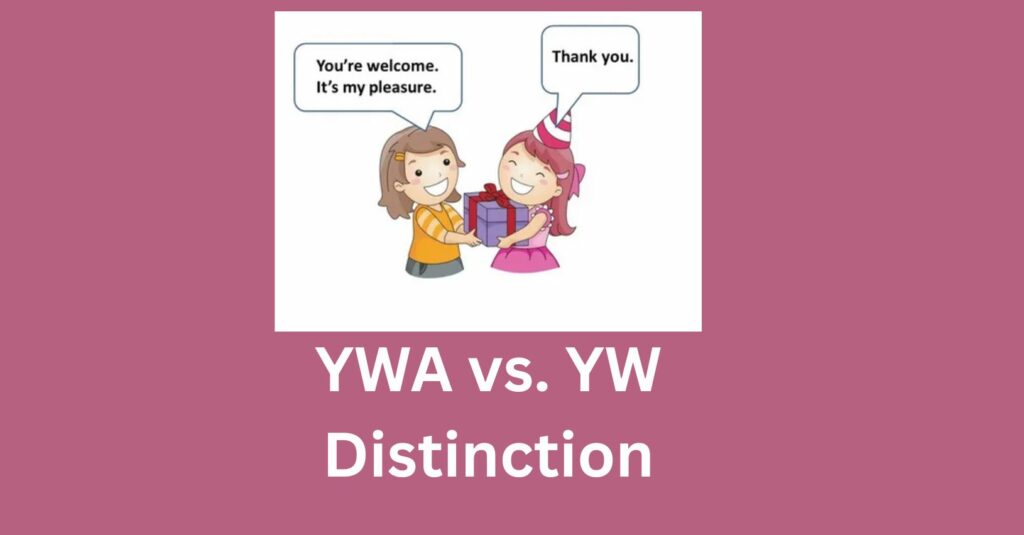
- The YW meaning is straightforward: “You’re Welcome” without additional implications. Adding “anyway” transforms the phrase entirely. “Anyway” suggests moving past imperfection or acknowledging things didn’t go as expected. That single word addition carries emotional weight that plain YW lacks completely.
- Meaning of YWA in chat includes subtle disappointment or acceptance of less-than-ideal outcomes. YW stays purely positive without undertones. Understanding this distinction prevents accidentally sending mixed messages when you meant simple, straightforward acknowledgment of thanks.
More post: Unleash 3 NFS Texting Secrets Definitions, Replies & Professional Alternatives 2025
Key Takeaways for Better Texting
Professional texting etiquette requires spelling out responses rather than abbreviating. Casual texting terms work wonderfully with established friends but fail in formal contexts. Always assess relationship type, conversation stakes, and potential for misinterpretation before choosing abbreviated responses.
Tone in texting remains challenging without vocal inflection or facial expressions. Emojis, punctuation choices, and complete sentences clarify intentions better than compressed text message acronyms that leave interpretation open. Prioritize clear digital communication over speed when relationships matter.
Frequently Asked Questions
What does YWA mean in texting?
YWA stands for “You’re Welcome Anyway” in text messages. It typically appears when someone thanks you after your help wasn’t fully used or appreciated, serving as semi-polite acknowledgment with potentially dismissive undertones depending on context and delivery.
How to respond to YWA?
Respond to YWA by matching the sender’s tone. If friendly, reply warmly: “Thanks for understanding!” If dismissive, acknowledge briefly: “Appreciate it.” Read context clues like emojis and punctuation to gauge appropriate response energy levels accurately.
What does it mean when someone texts YWA?
When someone texts YWA, they’re saying “You’re Welcome Anyway,” usually after offering help that wasn’t utilized. It signals mild frustration, genuine politeness, or conversation closure depending on punctuation, emojis, and your existing relationship dynamics together.
What does yr stand for in text?
“Yr” typically means “your” or “year” in text messages depending on context. Unlike YWA, it’s straightforward abbreviation without emotional undertones, used universally across casual texting to save time and characters efficiently during rapid conversations.
Conclusion
Understanding YWA meaning in text goes beyond knowing it means “You’re Welcome Anyway.” True mastery involves recognizing when this texting abbreviation helps or hurts your communication goals. Throughout this guide, we’ve explored context, tone nuances, and fifteen polite texting responses that work better across diverse situations. Whether messaging friends, colleagues, or new contacts, choosing clear digital communication over ambiguous shortcuts builds stronger relationships.
Professional texting etiquette demands spelled-out phrases that respect recipients’ time and prevent misunderstandings. Remember: thoughtful word choices demonstrate care and prevent the awkwardness that passive-aggressive texting creates. Next time you’re tempted to type YWA, pause and consider whether a fuller friendly texting phrase better expresses your genuine intention while maintaining warmth and clarity.

Passionate about innovation and growth. Dedicated to managing, optimizing, and creating seamless experiences while supporting diverse content and users with professionalism and clarity every day.